
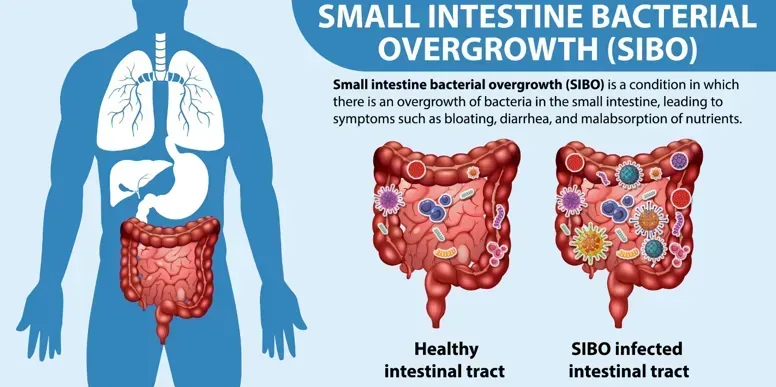
Small Intestine Bacterial Overgrowth Natural Treatment with Timeline Small Intestine Bacterial Overgrowth Natural Treatment with Timeline Gut Health | Sibo | Naturopathic Medicine October 27, 2025 • 11 min read Struggling with SIBO symptoms like bloating and digestive distress? A groundbreaking 2014 study (Chedid, et al., 2014) revealed that natural herbal treatments can be just as effective as antibiotics —but there's a specific timeline and approach that determines success or failure. Key Ta
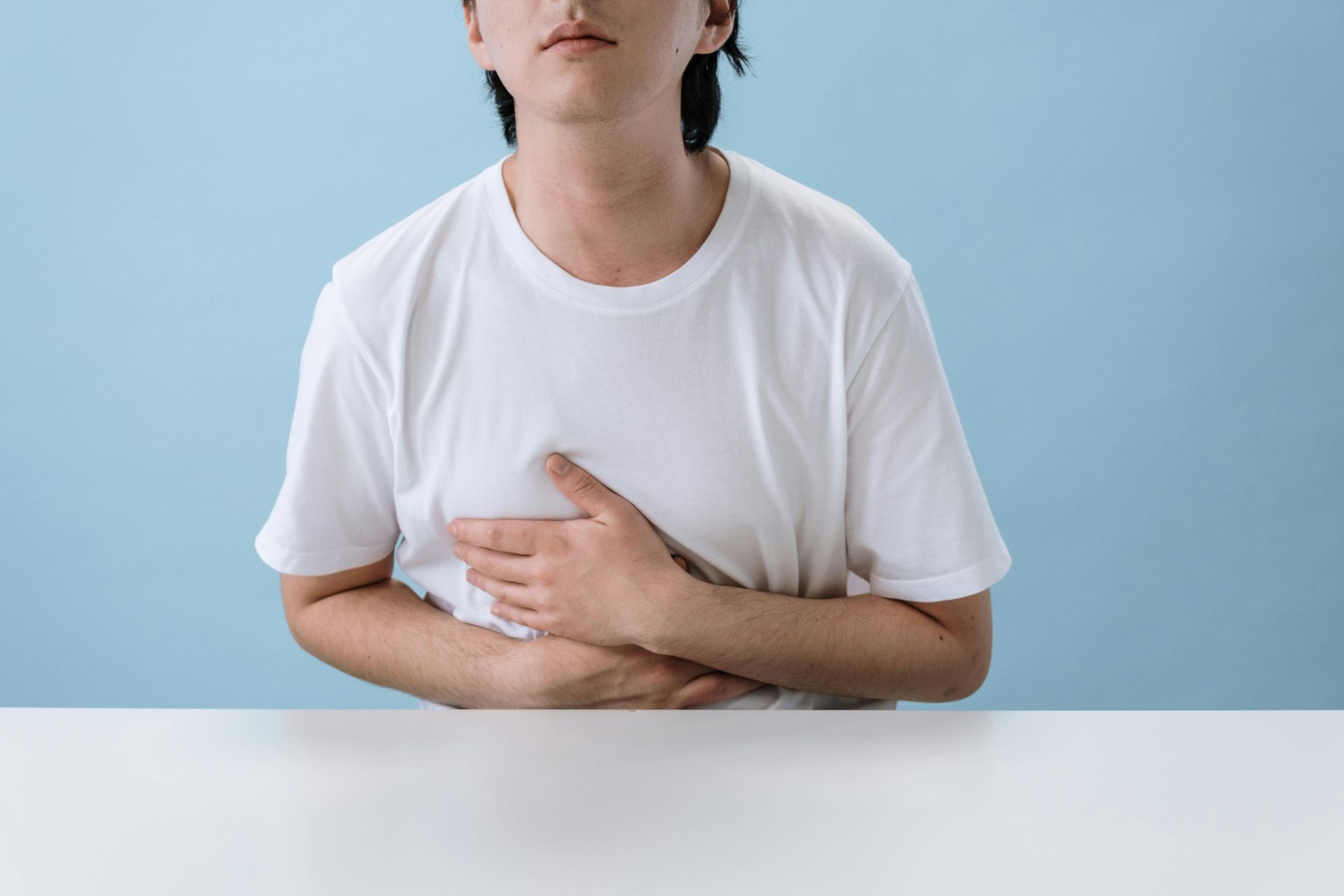
5 Signs Your Irritable Bowel Syndrome (IBS) is Really SIBO 5 Signs Your Irritable Bowel Syndrome (IBS) is Really SIBO Gut Health | Naturopathy | IBS April 07, 2017 • 6 min read What does snacking, food poisoning, antibiotics, probiotics and fermentable sugar all have in common? They may seem unrelated, but they are actually clues that your Irritable Bowel Syndrome (IBS) may actually have an underlying cause that is both testable and treatable. Can you imagine not having to deal with embarrassi
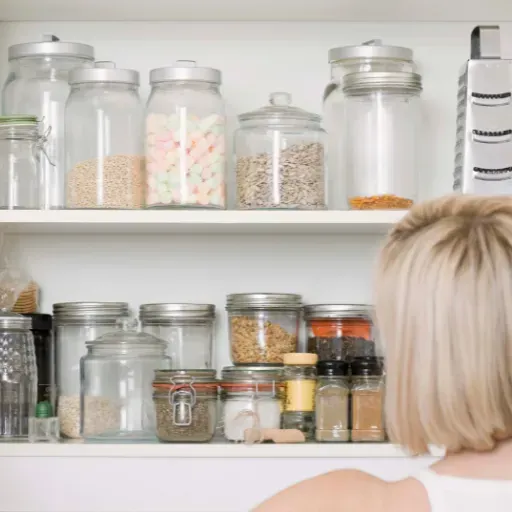
3 TIPS FOR SPRING CLEANING YOUR CUPBOARDS 3 TIPS FOR SPRING CLEANING YOUR CUPBOARDS Community Care | Family Naturopathic Care April 22, 2015 • 3 min read Whether or not spring beckons you to start cleaning, consider a spring-cleaning of your kitchen and pantry. Take this month to consciously look at what is in your kitchen cupboards and make a move to get rid of processed foods and to restock with whole foods. Processed foods are detrimental to our health in several ways. Refined grains (anyth
Your hormones and the DUTCH test Your hormones and the DUTCH test Womens Health | Hormones | Dutch Testing February 02, 2018 • 3 min read Hormones and hormonal imbalance are always hot topics, and with good reason. Your body is constantly being affected by your body’s mini messengers, and if they’re out of whack, you’re probably not feeling on top of your game. Fatigue, insomnia, depression, anxiety, low libido, and irregular menstrual cycles are just a few of the common symptoms of hormone im
6 Free and Easy Ways to Take Control of Your Health and Wellbeing Now 6 Free and Easy Ways to Take Control of Your Health and Wellbeing Now Naturopathy May 11, 2017 • 3 min read Do you put the wellbeing of others before your own? Your kids? Your spouse? Your friends and family? Do you find it difficult to find the time to take care of your own health? If this is you, you’re not definitely not alone. As a naturopathic doctor, I can easily put the health of my patients first if I’m not intention
A 3-Pronged Approach to Help Your Gut and Overall Health A 3-Pronged Approach to Help Your Gut and Overall Health Gut Health | Sibo May 30, 2020 • 3 min read A lot goes on in our intestines and it effects our physical and mental health. Our gut is part of our immune system. Keeping it’s lining from being irritated and keeping a healthy balance of good bacteria in the right places in it is very important for body including our brain. SIBO is common in our society. People often have it and don’t
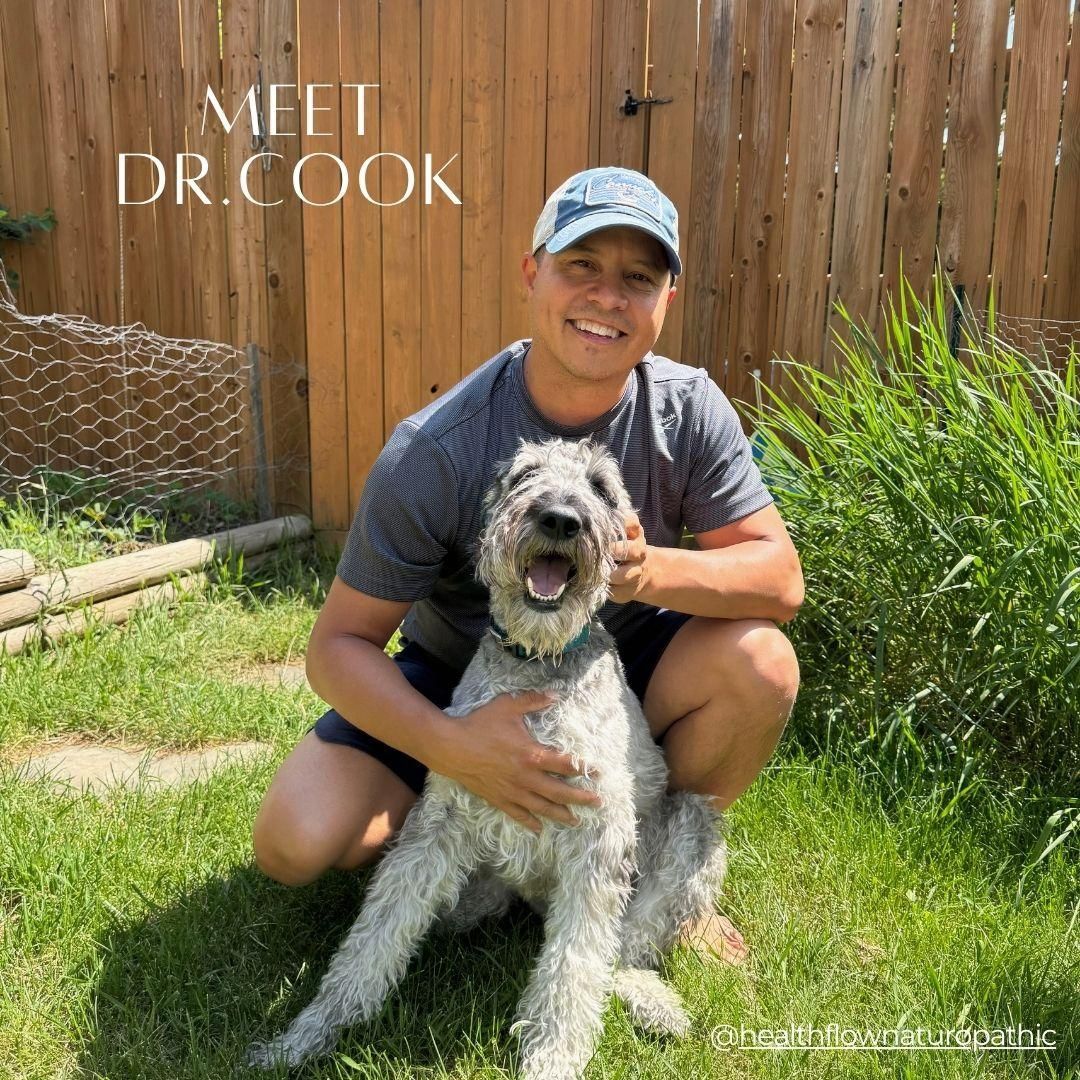
Becoming an ND Becoming an ND Naturopathy January 12, 2013 • 5 min read After graduating university, I landed a job with a pharmaceutical company as formulator and product development chemist. I was eager to begin using my double major degree in Biology and Chemistry in a health related field. I always knew I wanted to be in the health field, and I found comfort in knowing I was helping others. Interestingly, life, the universe or whatever you want to call it was about to deliver a message, “H
Food Sensitivities Vs Food Allergies Test Food Sensitivities Vs Food Allergies Test Gut Health | Naturopathy | Sibo | Food Sensitivities August 17, 2018 • 2 min read Knowing the difference is very important as many people will use food sensitivities or tolerances interchangeably with food allergies. These are two very different tests and tell us very different things. They are not the same. Food Allergen Food allergies are tested from the classic IgE immunoglobulin in the blood and react very
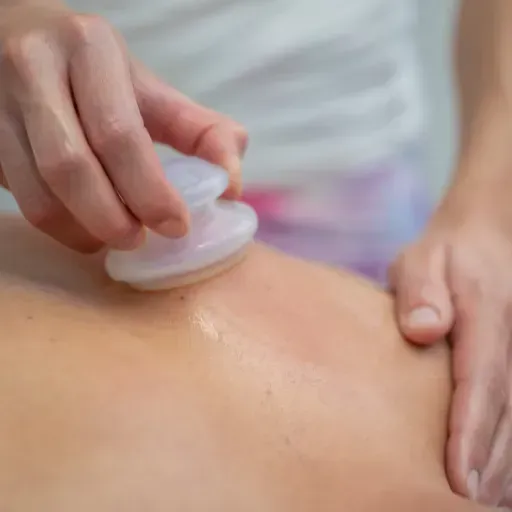
Cupping Helps Michael Phelps Cupping Helps Michael Phelps Community Care | Mens Health | Naturopathy | Womens Health August 12, 2016 • 1 min read I love the Olympics and while watching earlier this week I was super excited to see Michael Phelps sporting cupping marks on his skin while in the swimmers starting block. As a Naturopathic Doctor, it is one of many tools that I use to help people with their health concerns, in particular muscular pain and recovery. So, I was excited to see an elite
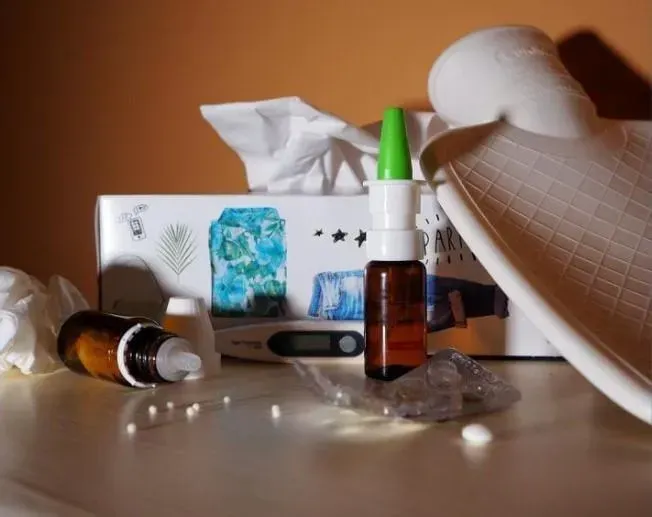
Got a Flu, Now what? Got a Flu, Now what? Naturopathy | Cold and Flu October 19, 2015 • 5 min read At this point you are probably miserable and annoyed you caught the bug. So now what? Most of us have a set routine; maybe it is over the counter medications or something else. In this article I have given you some solid tips that I have used for myself, my kids and for my patients. As mentioned in my previous newsletter article hate having a flu , taking Vitamin C right away at first set of symp