
Understanding infertility and tips to create a successful environment for pregnancy

Share this article

Infertility is defined as the lack of conception after 1 year of unprotected sex for women under 35. For women over 35, this number decreases to 6 months of unprotected sex. Approximately 1 in 6 Canadian couples struggle with infertility. Although the causes of infertility are multi factorial, you may be missing the mark in a few big areas that you didn’t realize. So whether you’ve been trying to get pregnant for months, or you simply want to improve your future fertility, here are a few tips


Learn to track your menstrual cycle

Tracking your menstrual cycle is key to understanding when you are at your most fertile. You are not your mother, you are not your best friend, and you are certainly not every newly pregnant woman in your Facebook feed, so don’t compare yourself to them. Your body, your history, and your menstrual cycle are yours, so now is the time to get to know you and what you need. Check out my earlier blog post: ‘Fertility and understanding ovulation’. This will guide you through the basics of tracking your cycle through basal body temperature and common ovulatory signs.


Detoxify your body

We are living in a world where we are constantly being exposed to different toxins. The air we breathe, the food we eat, the lotions we lather on to our skin are all potential sources of toxins. Limiting the big offenders is useful for improving fertility.

  1. Food: Obesity and poor dietary habits are associated with higher infertility rates. Limit your intake of refined and processed foods (The SAD diet: Standard American Diet), and look at implementing a more anti-inflammatory Mediterranean-style or fertility diet. Eating organic is not always easy, and not always financially sustainable. Check Environmental working group’s ‘Dirty dozen and clean fifteen’ for an up to date list of when to go organic.
  2. Skin: Your largest organ has the ability to absorb what’s put on it. It’s not easy to navigate the world of cosmetics and skin care, so let environmental working group do it for you. Check out EWG’s ‘Skin Deep’ website to see how all your products match up using their toxicity rating system.
  3. Air: Although this is more difficult to control, avoid smoking and exposure to toxic inhalants.
  4. BPA: Bisphenol A is widely found in plastic and is a known endocrine disrupter toxic to developing eggs. In 2011 it was banned by the FDA in baby bottles and sippy cups, and you likely saw the emergence of BPA-free products soon after. Reduce your exposure to BPA by:
  • Switching from plastic food storage containers to glass
  • Avoiding canned foods (or choosing ones labeled BPA-free)
  • Avoid microwaving plastic or putting plastic in the dishwasher
  • Avoid putting hot food in plastic
  • Decrease handling of paper receipts (and wash your hands afterward)
  1. Phthalates: Phthalates can be found almost anywhere and are often used in soft plastic, vinyl, cleaning products, fragrances, and nail polish. Most studies have focused on phthalate exposure and their effect on sperm quality, but research has drawn a correlation between phthalate exposure and increased risk of endometriosis, miscarriage, and poor pregnancy outcome


Address your stress

Stress: we can’t live with it. We can’t live without it. Rate your stress levels on a scale of 0-10. Zero is equivalent to no stress at all, ten is mAXIMuM STrESS!! (I feel like that’s got to be how a 10/10 stress level is written… my blood pressure went up just writing it). If you’re regularly somewhere in the 6-10 range, you probably admit to feeling pretty stressed. Stress is important. We need it to meet deadlines, win championships, and to run away from bears (don’t do that though, that’s not supposed to work). When stress is ramped up to do those things, the body puts less emphasis on less pertinent functions like reproduction and digestion. So, if you’re chronically stressed your intelligent body has diverted its attention away from creating babies. Address your stress. What are your sources of stress? How can you improve upon or eliminate your stress? What things do you enjoy that help decrease stress? And because it’s often not as simple as answering those questions, talk to your naturopath or a therapist to come up with some solutions.


Sleep

Sleep is a time when you restore and detoxify your body. Poor sleep and insomnia are often related to high stress levels and can affect fertility. Check out my earlier blog ‘Sleep optimization: tips to improve your sleep!’


Weight

A healthy weight and BMI (body mass index) are essential to fertility, and can be an obstacle whether you are on the high or low end of the continuum. Focus on a fertility style diet, regular exercise, improving stress levels, and any additional support you may need from your naturopath or therapist.


Regular exercise

Oh the benefits of regular exercise are so profound and far-reaching. As Nike likes to say, “Just do it”. Choose something you enjoy and make it part of your lifestyle. You don’t need to grind it out at the gym every day to benefit from exercise.


Check your thyroid

Underlying thyroid problems are often missed in women struggling with fertility or miscarriages. If you are suffering from fatigue, sluggishness, insomnia, constipation, high cholesterol, difficulty losing weight, and feeling cold, you may be hypothyroid. Ask your doctor to run a thyroid panel.


Identify obstacles to fertility

If you’ve been tracking your menstrual cycle and have been timing intercourse appropriately, but are still having difficulty conceiving, have further investigations done. Additional lab work and imaging can identify potential obstacles to fertility. These can include, but are not limited to:

-PCOS (polycystic ovarian syndrome)

-Endometriosis

-Uterine fibroids

-Pelvic inflammatory disease

-Scar tissue/adhesions

-Poor sperm parameters (sperm count, concentration, motility, and morphology)

-Celiac disease

-Hormonal imbalances

-Vitamin D deficiency


Take high quality pre-natal supplements

If you’re trying to get pregnant, or plan to try in the next couple months, now is the time to start supplementing. A good prenatal vitamin with folic acid is essential to every woman looking to conceive. Take to your doctor about what the best supplements are for you.

Dr. Michelle Hislop


Contact Healthflow Family Wellness today at 403-313-3454 to book a free 15 minute ‘meet and greet’ with Dr. Michelle Hislop today!


Recent Posts

December 15, 2025
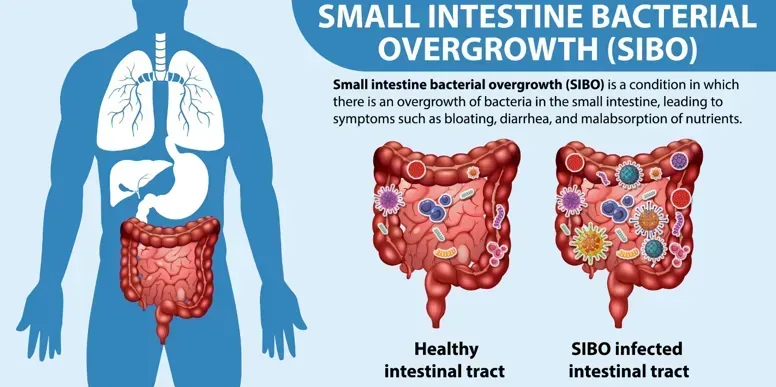
 Small Intestine Bacterial Overgrowth Natural Treatment with Timeline Small Intestine Bacterial Overgrowth Natural Treatment with Timeline Gut Health | Sibo | Naturopathic Medicine October 27, 2025 • 11 min read Struggling with SIBO symptoms like bloating and digestive distress? A groundbreaking 2014 study (Chedid, et al., 2014) revealed that natural herbal treatments can be just as effective as antibiotics —but there's a specific timeline and approach that determines success or failure. Key Ta

December 15, 2025
 5 Signs Your Irritable Bowel Syndrome (IBS) is Really SIBO 5 Signs Your Irritable Bowel Syndrome (IBS) is Really SIBO Gut Health | Naturopathy | IBS April 07, 2017 • 6 min read What does snacking, food poisoning, antibiotics, probiotics and fermentable sugar all have in common? They may seem unrelated, but they are actually clues that your Irritable Bowel Syndrome (IBS) may actually have an underlying cause that is both testable and treatable. Can you imagine not having to deal with embarrassi
December 15, 2025
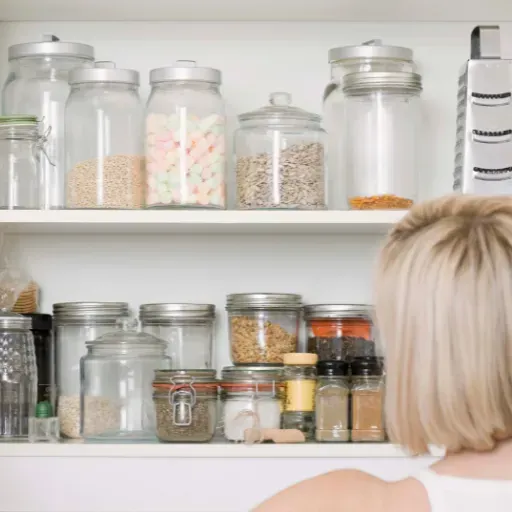
 3 TIPS FOR SPRING CLEANING YOUR CUPBOARDS 3 TIPS FOR SPRING CLEANING YOUR CUPBOARDS Community Care | Family Naturopathic Care April 22, 2015 • 3 min read Whether or not spring beckons you to start cleaning, consider a spring-cleaning of your kitchen and pantry. Take this month to consciously look at what is in your kitchen cupboards and make a move to get rid of processed foods and to restock with whole foods. Processed foods are detrimental to our health in several ways. Refined grains (anyth
December 15, 2025
 Your hormones and the DUTCH test Your hormones and the DUTCH test Womens Health | Hormones | Dutch Testing February 02, 2018 • 3 min read Hormones and hormonal imbalance are always hot topics, and with good reason. Your body is constantly being affected by your body’s mini messengers, and if they’re out of whack, you’re probably not feeling on top of your game. Fatigue, insomnia, depression, anxiety, low libido, and irregular menstrual cycles are just a few of the common symptoms of hormone im

December 15, 2025
 6 Free and Easy Ways to Take Control of Your Health and Wellbeing Now 6 Free and Easy Ways to Take Control of Your Health and Wellbeing Now Naturopathy May 11, 2017 • 3 min read Do you put the wellbeing of others before your own? Your kids? Your spouse? Your friends and family? Do you find it difficult to find the time to take care of your own health? If this is you, you’re not definitely not alone. As a naturopathic doctor, I can easily put the health of my patients first if I’m not intention
December 15, 2025
 A 3-Pronged Approach to Help Your Gut and Overall Health A 3-Pronged Approach to Help Your Gut and Overall Health Gut Health | Sibo May 30, 2020 • 3 min read A lot goes on in our intestines and it effects our physical and mental health. Our gut is part of our immune system. Keeping it’s lining from being irritated and keeping a healthy balance of good bacteria in the right places in it is very important for body including our brain. SIBO is common in our society. People often have it and don’t
December 15, 2025
 Becoming an ND Becoming an ND Naturopathy January 12, 2013 • 5 min read After graduating university, I landed a job with a pharmaceutical company as formulator and product development chemist. I was eager to begin using my double major degree in Biology and Chemistry in a health related field. I always knew I wanted to be in the health field, and I found comfort in knowing I was helping others. Interestingly, life, the universe or whatever you want to call it was about to deliver a message, “H
December 15, 2025
 Food Sensitivities Vs Food Allergies Test Food Sensitivities Vs Food Allergies Test Gut Health | Naturopathy | Sibo | Food Sensitivities August 17, 2018 • 2 min read Knowing the difference is very important as many people will use food sensitivities or tolerances interchangeably with food allergies. These are two very different tests and tell us very different things. They are not the same. Food Allergen Food allergies are tested from the classic IgE immunoglobulin in the blood and react very
December 15, 2025
 Cupping Helps Michael Phelps Cupping Helps Michael Phelps Community Care | Mens Health | Naturopathy | Womens Health August 12, 2016 • 1 min read I love the Olympics and while watching earlier this week I was super excited to see Michael Phelps sporting cupping marks on his skin while in the swimmers starting block. As a Naturopathic Doctor, it is one of many tools that I use to help people with their health concerns, in particular muscular pain and recovery. So, I was excited to see an elite
December 15, 2025
 Got a Flu, Now what? Got a Flu, Now what? Naturopathy | Cold and Flu October 19, 2015 • 5 min read At this point you are probably miserable and annoyed you caught the bug. So now what? Most of us have a set routine; maybe it is over the counter medications or something else. In this article I have given you some solid tips that I have used for myself, my kids and for my patients. As mentioned in my previous newsletter article hate having a flu , taking Vitamin C right away at first set of symp
Show More