
How to Improve Brain Fog in Menopause Naturally
If you're walking into rooms and forgetting why you're there or losing your train of thought mid-sentence during midlife, you're not losing your mind—you're experiencing one of menopause's most common yet fixable symptoms.
Key Takeaways
Between 40% and 60% of women experience cognitive difficulties during menopause, making brain fog one of the most common symptoms of this life transition.
Declining estrogen levels disrupt neurotransmitter activity, affecting memory, attention, and mental clarity during perimenopause and menopause.
The MIND diet, omega-3 rich foods, and specific B vitamins can significantly support brain health and reduce mental fatigue.
Physical exercise increases cerebral blood flow while mental exercises like crosswords and learning new skills build neuroplasticity to combat cognitive decline.
Stress management techniques including mindfulness and quality sleep can restore mental sharpness naturally.
Forgetting what you walked into a room for or losing your train of thought mid-sentence can be incredibly frustrating. If these "senior moments" have become part of your daily experience during midlife, you're not losing your mind—you're experiencing one of menopause's most common yet under-discussed symptoms.
Between 40% and 60% of Women Experience Cognitive Difficulties During Menopause
Brain fog affects the majority of women navigating menopause, with research showing that up to 60% experience some form of cognitive difficulty during this transition. These aren't just minor inconveniences—they're real neurological changes that can impact work performance, relationships, and daily functioning.
The symptoms typically include difficulty concentrating, memory lapses, trouble finding words, and feeling mentally "fuzzy." Many women describe it as thinking through cotton or having their mental sharpness dulled. While these changes can be alarming, understanding their biological basis is the first step toward effective management.
Naturopathic medicine can help women experiencing these cognitive changes, offering evidence-based strategies to support brain health during menopause. The good news is that menopause-related brain fog is typically temporary and responds well to targeted interventions.
How Hormonal Changes Trigger Cognitive Symptoms
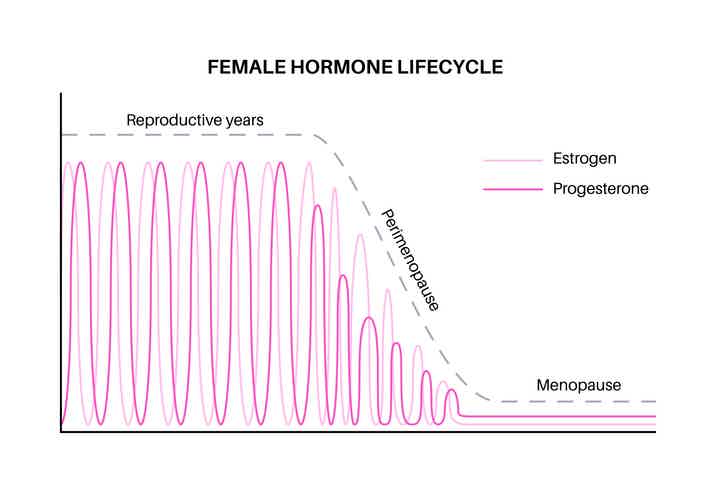
The connection between hormones and brain function runs deeper than many realize. Estrogen acts as a powerful neuroprotector, influencing memory formation, attention span, and overall cognitive performance. As hormone levels fluctuate and decline during perimenopause and menopause, these cognitive functions naturally suffer.
Estradiol's Critical Role in Brain Function
Estradiol, the most potent form of estrogen, binds to receptors throughout the brain, particularly in areas responsible for verbal memory—the ability to encode words—and executive function. These brain regions are rich in estrogen receptors, creating a direct physiological link between hormonal status and mental performance.
When estradiol levels drop, the brain loses this protective influence. Memory consolidation becomes less efficient, attention wavers more easily, and the ability to multitask—something many women excel at—becomes significantly more challenging.
How Declining Estrogen Disrupts Neurotransmitter Activity
Estrogen doesn't work alone—it influences the production and function of key neurotransmitters including serotonin, dopamine, and acetylcholine. These chemical messengers are vital for mood regulation, focus, and memory formation.
As estrogen declines, neurotransmitter activity becomes less stable. Serotonin levels may fluctuate, affecting both mood and cognitive clarity. Dopamine, needed for motivation and attention, can become imbalanced. Acetylcholine, the primary neurotransmitter for learning and memory, may decrease in effectiveness.
This cascade effect explains why brain fog often accompanies other menopausal symptoms like mood swings, sleep disturbances, and reduced motivation. The interconnected nature of these systems means that addressing brain fog requires a multi-faceted approach.
Brain-Boosting Nutrition for Clearer Thinking
What you eat directly impacts how well your brain functions. During menopause, when hormonal support for cognitive function diminishes, strategic nutrition becomes even more critical for maintaining mental sharpness.
1. The MIND Diet for Cognitive Protection
The Mediterranean-DASH Intervention for Neurogenerative Delay (MIND) diet has emerged as one of the most effective eating patterns for preserving cognitive function. Research shows that older adults following this approach may experience reduced rates of cognitive decline, though recent studies suggest the benefits may be more modest than initially thought.

This brain-protective diet emphasizes:
Three or more daily servings of whole grains
Six or more daily servings of green leafy vegetables
Three to five daily servings of nuts
Two or more weekly servings of berries
Two or more weekly meals of fish
Limited red meat, cheese, and processed foods
The MIND diet works by reducing inflammation and oxidative stress—two key factors that accelerate cognitive decline. By following these guidelines, women can provide their brains with consistent, high-quality fuel during the hormonal transition of menopause.
2. Omega-3 Rich Foods for Brain Health
Omega-3 fatty acids are building blocks for brain cell membranes and play important roles in neurotransmitter function. These healthy fats become even more important during menopause when natural neuroprotection from estrogen decreases.
The best sources include fatty fish like salmon, sardines, anchovies, and mackerel. Plant-based options such as flaxseeds, chia seeds, and walnuts provide alpha-linolenic acid (ALA), which the body can convert to the more active forms EPA and DHA.
Regular consumption of omega-3 rich foods supports memory formation, reduces brain inflammation, and may help stabilize mood—addressing multiple aspects of menopausal cognitive changes simultaneously.
3. Antioxidant-Rich Foods to Combat Mental Fatigue
Free radicals cause cellular damage throughout the body, including brain cells. During menopause, when natural antioxidant defenses may be compromised, consuming antioxidant-rich foods becomes important for maintaining cognitive function.
Deeply colored fruits and vegetables provide the highest antioxidant content. Blueberries, blackberries, and strawberries are particularly beneficial, containing anthocyanins that cross the blood-brain barrier and accumulate in memory-related brain regions.
Other powerful antioxidant sources include dark leafy greens like spinach and kale, colorful bell peppers, and citrus fruits. These foods help neutralize harmful free radicals while providing vitamins A, C, and E—all needed for optimal brain function.
4. B Vitamins for Nervous System Health and Soy for Cognitive Support
B vitamins work as a team to support nervous system function and energy metabolism in the brain. B6, B12, and folate are particularly important for neurotransmitter synthesis and maintaining healthy brain cells.
Good sources include whole grains, legumes, leafy greens, eggs, and lean meats. Many women benefit from a high-quality B-complex supplement during menopause to ensure adequate intake.
Soy foods deserve special mention for menopausal women. Some research suggests that soy isoflavones may improve certain aspects of memory and cognitive function, particularly visual memory, though findings remain mixed. The potential benefits may be due to their mild estrogenic effects. Incorporating tofu, tempeh, edamame, or soy milk into the diet may help bridge the gap left by declining natural estrogen.
Physical Exercise: Your Brain's Best Medicine
Exercise isn't just good for your body—it's one of the most powerful tools for maintaining cognitive function during menopause. The benefits go far beyond general health, directly impacting brain structure and function in ways that can counteract hormonal cognitive changes.
Aerobic Exercise Increases Cerebral Blood Flow
Regular aerobic exercise acts as a natural brain booster by increasing blood flow to cognitive centers. When you engage in activities like brisk walking, swimming, or cycling, your heart pumps more oxygen-rich blood to the brain, supporting optimal function.

Research published in Neurology found that middle-aged women with high physical fitness were significantly less likely to develop dementia later in life. This dramatic reduction suggests that the brain-protective effects of exercise begin well before old age—making midlife the perfect time to prioritize physical activity.
Aerobic exercise also stimulates the production of brain-derived neurotrophic factor (BDNF), a protein that promotes the growth of new brain cells and strengthens connections between neurons. This is particularly valuable during menopause when hormonal support for neuroplasticity decreases.
Combining Mental and Physical Challenges for Better Benefits
While any exercise benefits the brain, combining physical activity with mental challenges creates even more powerful cognitive improvements. This dual-task training forces the brain to work harder, building resilience against age-related cognitive decline.
Simple examples include:
Counting backward from 100 by sevens while walking
Reciting poetry or song lyrics during exercise
Playing word games while on a stationary bike
Learning new dance steps or martial arts forms
These activities challenge different brain regions simultaneously, promoting neuroplasticity and improving the ability to multitask—skills that often suffer during menopause.
Mental Exercises to Sharpen Cognitive Function
Just as muscles need regular exercise to stay strong, the brain requires consistent mental stimulation to maintain optimal function. This becomes especially important during menopause when hormonal changes can impact cognitive performance.
1. Daily Brain Training Activities Like Crosswords and Sudoku
Traditional brain games like crosswords, sudoku, and word searches provide structured mental exercise that can help maintain cognitive sharpness. These activities challenge different aspects of thinking, from vocabulary and general knowledge to logic and problem-solving.
The key is consistency rather than intensity. Spending 15-20 minutes daily on these activities can help maintain neural pathways and may slow cognitive decline. When you encounter a clue or problem you can't solve, look up the answer and try to remember it the next day—this active learning process strengthens memory formation.
For those who prefer digital options, many apps offer brain training games designed to target specific cognitive skills. However, traditional pen-and-paper activities often provide better focus and less distraction than screen-based alternatives.
2. Learning New Skills to Build Neuroplasticity
Taking up new activities creates fresh neural pathways and promotes neuroplasticity—the brain's ability to reorganize and adapt. This is particularly valuable during menopause when maintaining cognitive flexibility becomes more challenging.
Effective new skills for brain health include:
Learning a musical instrument
Studying a foreign language
Mastering a craft like knitting or woodworking
Taking up gardening or cooking new cuisines
Learning to play chess or bridge

The best choices combine multiple cognitive demands, such as hand-eye coordination, memory, planning, and problem-solving. These multi-faceted activities provide thorough brain exercise while offering enjoyable hobbies that enrich daily life.
3. Social Connection for Cognitive Health
Meaningful social interactions provide complex cognitive exercise that isolated activities cannot match. Conversations require rapid processing of verbal and non-verbal cues, memory recall, emotional regulation, and real-time response generation.
Research consistently shows that people with strong social connections have better cognitive function and reduced risk of cognitive decline. During menopause, when mood changes may lead to social withdrawal, maintaining and building relationships becomes even more important.
Consider joining book clubs, hobby groups, volunteer organizations, or fitness classes. These activities combine social interaction with mental stimulation, providing dual benefits for brain health while creating supportive networks during the menopausal transition.
Stress Management Techniques for Mental Clarity
Chronic stress is one of the biggest enemies of cognitive function, and menopause often brings increased stress from hormonal changes, sleep disruption, and life transitions. Managing stress effectively is needed for maintaining mental clarity during this period.
Mindfulness and Meditation Reduce Stress While Improving Sleep
Mindfulness practices offer a powerful two-for-one benefit: they reduce stress hormones that interfere with cognitive function while promoting better sleep quality. Both benefits are needed for maintaining mental sharpness during menopause.
Studies suggest that regular meditation practice may increase gray matter density in brain regions associated with memory, attention, and emotional regulation. Even 10-15 minutes of daily mindfulness can produce measurable improvements in cognitive function within weeks.
Simple techniques to start with include:
Focused breathing exercises
Body scan meditations
Mindful walking
Progressive muscle relaxation
Guided imagery sessions
These practices help calm the overactive stress response that can accompany hormonal changes, creating better conditions for clear thinking and memory formation.
How Poor Sleep Quality Impairs Focus and Memory
Sleep disruption is common during menopause due to hot flashes, night sweats, and hormonal fluctuations.
Unfortunately, poor sleep quality directly impairs cognitive function, creating a challenging cycle for many women.

During sleep, the brain consolidates memories, clears metabolic waste, and prepares for optimal daytime function. When sleep quality suffers, these processes become less efficient, leading to increased brain fog, poor concentration, and memory problems.
Sleep hygiene becomes important during menopause. This includes maintaining consistent bedtimes, creating a cool, dark sleep environment, limiting screen time before bed, and avoiding caffeine late in the day. Some women also benefit from relaxation techniques specifically designed for bedtime, such as gentle yoga or meditation.
When to Consider Hormone Replacement Therapy for Brain Fog
For some women, lifestyle interventions may not fully address severe brain fog symptoms. Hormone replacement therapy (HRT) may be effective for cognitive symptoms, particularly when started during perimenopause or early postmenopause, though research on HRT and brain function has yielded mixed results.
HRT works by replacing the estrogen and progesterone that the body no longer produces in adequate amounts. This hormonal support can restore much of the brain's natural cognitive protection, potentially leading to improvements in memory, attention, and mental clarity. However, some studies indicate no effect or even possible increased risk of dementia, particularly when started later in menopause.
The decision to use HRT should always be made in consultation with qualified healthcare providers who can assess individual risk factors and benefits. Timing appears important—research suggests that HRT may be most effective for cognitive symptoms when started within a few years of menopause onset.
Some women may be candidates for bioidentical hormone therapy, which uses hormones that are chemically identical to those produced by the human body. Others may benefit from selective estrogen receptor modulators (SERMs) that provide some estrogenic benefits with potentially fewer risks.
Reclaim Your Mental Sharpness with Evidence-Based Strategies
Brain fog during menopause is not something women have to simply endure. By understanding the underlying causes and implementing targeted strategies, most women can significantly improve their cognitive function and regain mental clarity.
The most effective approach combines multiple interventions: brain-supporting nutrition through the MIND diet and omega-3 rich foods, regular aerobic exercise that includes mental challenges, daily cognitive stimulation through puzzles and learning new skills, and stress management through mindfulness and quality sleep.
For women experiencing severe symptoms, hormone replacement therapy may provide additional relief when used appropriately under medical supervision. The key is to start with foundational lifestyle changes while remaining open to medical interventions if needed.
Brain fog during menopause is typically temporary. With the right strategies and patience, most women find that their mental sharpness returns, often accompanied by newfound wisdom and perspective that comes with successfully navigating this important life transition.
For support during your menopausal journey, consider consulting with an experienced naturopathic doctor at Healthflow Naturopathic who focuses on helping women optimize their cognitive health through natural, evidence-based approaches.
Ready to get started?
Book your free discovery call with a Naturopathic Doctor of your choice.
Free Discovery CallDisclaimer: The information in this blog is for educational purposes only and does not replace professional medical advice. Always consult a qualified healthcare provider with questions regarding your health.