
Candida Overgrowth Diet: A Naturopathic Guide

Dr. Derek Cook has a background in biology and chemistry and training in Auricular medicine. He takes an aggressive approach to provide fast results. He focuses on individualized care using core health fundamentals and bioenergetic assessment to support lasting healing.
View full profile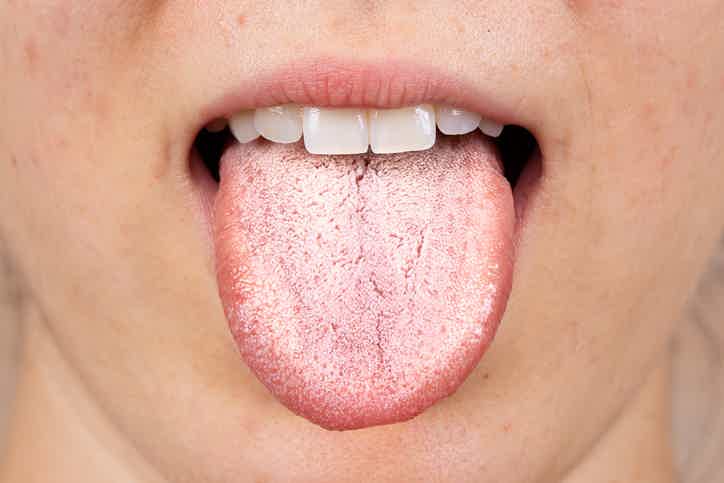
What Is Candida Overgrowth and Why Does It Matter?
Candida is a yeast that naturally lives in the human digestive tract, skin, and mucous membranes. Under healthy conditions, it remains in balance. But when the internal environment shifts, due to antibiotics, high sugar intake, stress, hormone changes, steroid use, or environmental exposures, Candida can overgrow and trigger a wide range of symptoms. This process is also known as SIFO, small intestinal fungal overgrowth.
Candida-associated symptoms can include:
Fatigue, lethargy, or feeling “drained”
Brain fog, poor memory, difficulty concentrating
Digestive issues: bloating, constipation, diarrhea, abdominal pain
Sugar, bread, or alcohol cravings
Vaginal yeast infections, prostatitis, or genital irritation
Mood swings, irritability, or depression
Skin issues: itching, rashes, fungal infections
Nasal congestion, postnasal drip, sinus issues
Dizziness, headaches, incoordination
How Do I Know If I Should Follow a Candida Diet?
You should consider a Candida Diet if you:
Score “Possibly Present” or higher on the Candida Questionnaire (click here for questionnaire)
Struggle with chronic digestive issues
Have repeated fungal skin or nail infections
Crave sugar, bread, or alcohol
Have symptoms that worsen in damp, moldy environments
Have a history of broad-spectrum antibiotic use
Experience recurrent vaginal yeast infections or prostatitis
Feel better temporarily when avoiding sugar or refined carbs
What Detects Candida/Fungus?
Stool Testing: intestinal yeast overgrowth, chronic digestive symptoms, recurring fungal infections
Organic Acids Test (OAT/urine test): systemic yeast overgrowth, hard to detect, sensitive patients (children, neurological symptoms)
Serum (blood): systemic yeast, severe cases, immunocompromised patients
Vaginal or Skin Swabs Culture: localize fungal infection
What Foods Feed Candida and Must Be Eliminated First?
Sugars: Cane sugar, corn sugar, corn syrup, Honey, maple syrup, molasses, fruit juices high in sugar
Fruits: Grapes, oranges, grapefruit, bananas, mango, pineapple, dried fruits
Vegetables: Corn and corn products
Nuts & Seeds: Almonds, brazil nuts, cashews, pistachios, macadamia nuts, walnuts, sunflower seeds
Grains: White wheat flour products, white rice
Animal Products: Mold-containing cheeses (blue, Brie, Camembert, Gorgonzola, Roquefort, Stilton)
Miscellaneous: Alcohol, coffee, artificial sweeteners, fried foods, hydrogenated oils, chocolate and cocoa
How Is the Candida Diet Structured? (Phase-by-Phase Guide)
Phase 1: The Cleanse (duration 2–4 Weeks)
Goal: Starve yeast, calm inflammation, reset the gut.
Focus on: Lean proteins, low-sugar vegetables, healthy fats, herbal teas, hydration
Consider: This phase is toughest for carb and sugar cravings; using L-glutamine powder as a mouthwash may help lessen them.
Phase 2: Deeper Elimination (duration 4–8 Weeks)
Goal: Reduce inflammation and rebuild gut terrain.
Remove additional foods: expanded fruit list, more nuts, more animal products, vinegars, processed foods. (click here for expanded foods list)
Consider: Antifungal herbs and agents such as oregano, garlic, Pau D’arco and Caprylic Acid. Exterior skin and scalp lesions, a 4 to 1 water to vinegar
Phase 3: Gut Repair & Stabilization (duration 4–6 Weeks)
Goal: Strengthen gut lining, restore balance.
Slowly expand low-sugar foods. Continue avoiding sugars, yeasts, alcohol.
Consider: Probiotics, healing gut supports like NAG, L-glutamine, N-Acetl-D-Glucosamine, licorice, aloe vera, slippery elm, marshmallow root and quercetin all help in gut repair.
When Can I Reintroduce Foods?
After 8–12+ weeks, depending on symptom improvement, much like the food re-introduction in the food elimination for diet optimization:
Add one food at a time
Wait 3–5 days
Track reactions: digestive issues, mood changes, skin changes, cravings
What Improvements Should I Expect on the Candida Diet?
People following the Candida Diet often experience:
Reduced fatigue, brain fog
Improved digestion and reduced bloating
Decreased sugar cravings
Fewer yeast infections
Better mood stability
Less inflammation and joint pain
Clearer skin
How Long Should the Entire Protocol Take?
This is entirely based on the severity of the candida overgrowth and the vitality of the person.
Fast responding cases can take about 4 to 6 weeks plus the time to go through the food re-introduction (adding a food in every 3 to 5 days to see a response).
Most cases will fall in the range of 10 to 18 weeks plus the food re-introduction.
Slow responders or severe cases can take 6 to 12 months.
Can Candida Overgrowth Return?
Yes. If triggers remain: Antibiotic use, High sugar diet, Stress, Hormonal imbalances, Mold exposure, Gut infections
Yes. If gut health was not repaired and supported to create health resilience.
Conclusion: A Phase-Based Candida Diet Can Restore Balance
Candida overgrowth disrupts digestive, neurological, hormonal, and immune health. A structured elimination/reintroduction process with proper guidance can create dramatic improvements in overall wellbeing.
If you’re ready to get answers and restore balance, reach out today. We are here to help you get started on your healing journey.
Ready to get started?
Book your free discovery call with a Naturopathic Doctor of your choice.
Free Discovery CallDisclaimer: The information in this blog is for educational purposes only and does not replace professional medical advice. Always consult a qualified healthcare provider with questions regarding your health.