
How to Treat IBS Without Medication: Natural Therapy Options & Diet Tips

Key Takeaways
IBS presents in three patterns (constipation, diarrhea, or mixed) and causes symptoms like bloating, gas, and abdominal pain that can shift over time, which is why a flexible, personalized approach tends to work better than a fixed routine.
Diet is the most direct starting point for managing IBS without medication, with a low-FODMAP reset, fiber adjustments, and trigger identification offering meaningful symptom relief for many people.
Natural therapies, including enteric-coated peppermint oil, targeted probiotics, and stress management practices, have evidence-informed support and can complement dietary changes.
When diet and lifestyle adjustments are not enough, functional testing for root causes like SIBO or food sensitivities can make treatment more precise and effective.
Healthflow Naturopathic uses GI-MAP and SIBO assessments to determine the exact causes of IBS, creating evidence-informed, personalized treatment plans that combine clinical nutrition and natural therapies for patients in Calgary and throughout Alberta.
How to Control IBS Without Medication?
Controlling IBS without medication is possible, and for many people it produces more lasting results than symptom-only approaches. Diet is typically the most immediate solution, with low-FODMAP eating, fiber adjustments, and trigger identification offering real relief. Natural therapies and stress management round out the picture.
When symptoms persist, functional testing can uncover root causes such as SIBO or food sensitivities, so your plan treats the source rather than the surface. IBS rarely has a single cause, so steady, lasting relief usually comes from combining a few approaches and adjusting over time.
At Healthflow Naturopathic, we work with patients in Calgary and virtually across Alberta to do exactly that, using tools like GI-MAP and SIBO breath testing to pinpoint root causes and shape care around what your gut actually need.
Healthflow Naturopathic: Root-Cause Care for Lasting Wellness 15+ Years of Practice | 4.6★ Google Rating | Calgary, AB & Virtually Alberta-Wide  Heal Beyond the Symptoms: Discover personalized naturopathic care that looks deeper into digestive issues, autoimmune concerns, and mental wellness. Healthflow Naturopathic combines functional testing, clinical nutrition, and evidence-informed natural therapies to build individualized plans focused on long-term health and prevention. Care Designed Around You: ✓ Support for IBS, SIBO, bloating, and food sensitivities ✓ Autoimmune and chronic inflammation guidance ✓ Stress, fatigue, and mental wellness support ✓ Functional testing and tailored nutrition plans ✓ In-person and virtual visits, with direct billing available Your health story is unique. Your care should be too. |
IBS Symptoms & Subtypes Worth Knowing
Treatment works best when it matches your IBS pattern. Doctors group IBS into subtypes based on your usual stool: IBS-C (constipation-predominant), IBS-D (diarrhea-predominant), and IBS-M (mixed, alternating between the two). Most people also deal with bloating, gas, and abdominal pain that eases after a bowel movement.
Knowing your subtype shapes the plan. Soluble fiber and gentle hydration suit IBS-C, while careful trigger removal and stool-firming foods often help IBS-D. Symptoms can shift over time, so it pays to review your pattern regularly and adjust as needed rather than lock into a single fixed routine.
Diet Tips That Help Calm IBS Symptoms
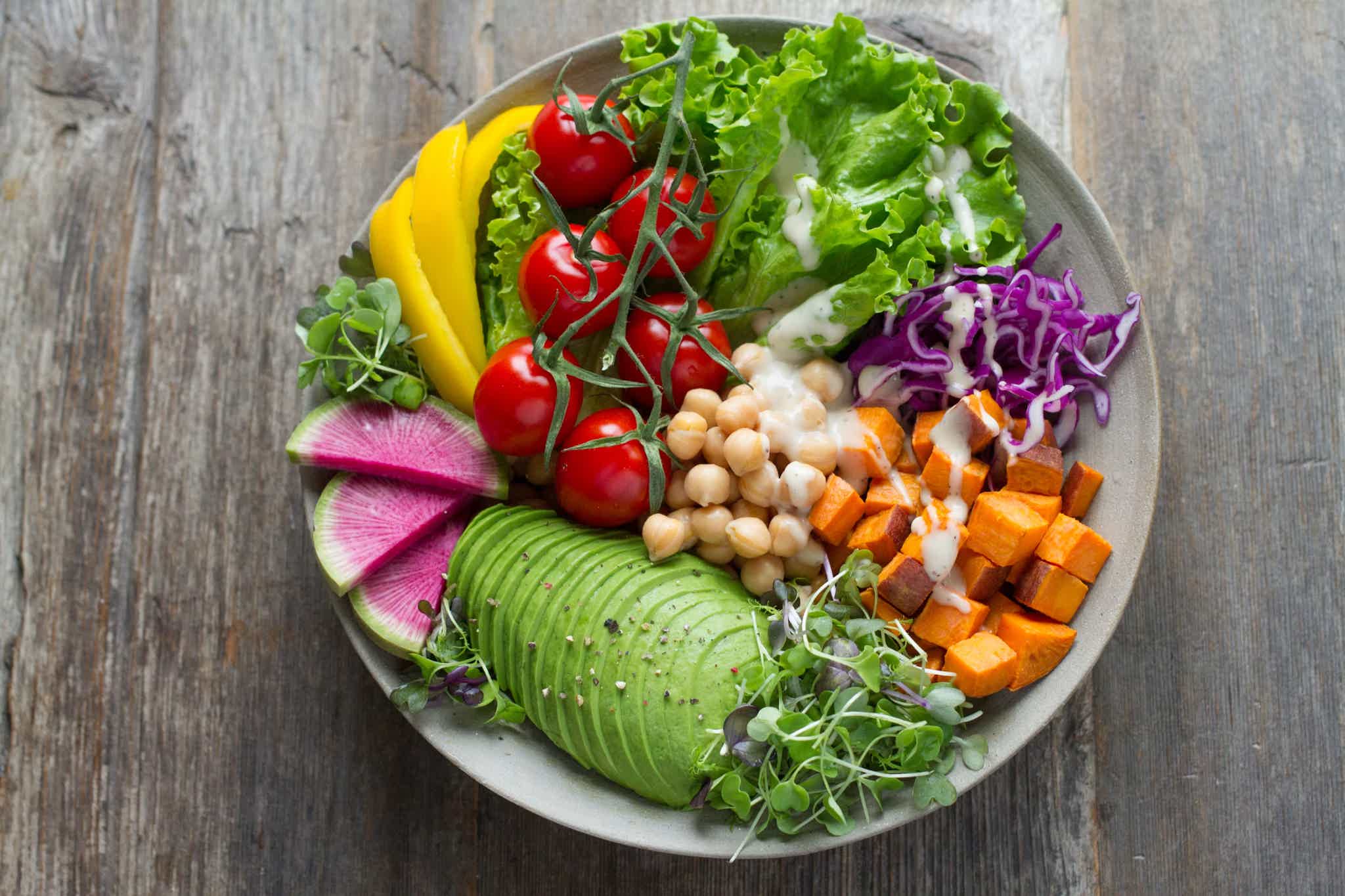
Managing IBS through diet means identifying personal triggers, adjusting fiber thoughtfully, trying a low FODMAP reset, and changing how you eat.
Food is often where people begin to notice meaningful change with IBS. The aim is to identify your specific triggers and eating patterns, then build a sustainable routine around them rather than following a single rigid rulebook.
Start With a Low FODMAP Reset
FODMAPs are fermentable carbohydrates that pull water into the gut and produce gas, which can set off bloating, cramping, and irregular bowel habits. A low FODMAP approach runs in three phases: a short elimination period of two to six weeks, a structured reintroduction stage to pinpoint your triggers, and a personalized long-term plan that keeps as many foods as possible.
This is one of the most studied diets for IBS, and reviews show it lowers symptom severity and improves quality of life. In practice, the elimination phase can mean swapping onion and garlic for the green tops of spring onions, choosing firm bananas over very ripe ones, and trading wheat pasta for a gluten-free option.
A low FODMAP diet is not designed to be permanent. Cutting out too many foods for too long can affect your gut bacteria and nutrient intake, so the reintroduction phase matters as much as the elimination phase. Working with a naturopathic doctor or nutrition support helps you do it safely and avoid over-restriction.
Adjust Fiber Thoughtfully
Fiber affects IBS differently depending on the type. Soluble fiber, found in oats, psyllium, chia seeds, and peeled fruit, tends to ease both constipation and loose stools by adding form and slowing transit. Insoluble fiber, common in wheat bran and tough vegetable skins, can worsen gas and cramping for some people.
Add fiber slowly and drink plenty of water so your gut has time to adjust. A sudden jump in fiber often backfires and can leave you more bloated than before. Track how each change feels over a week or two instead of following a fixed target, and scale back if a particular source clearly disagrees with you.
Find Your Personal Food Triggers
Common IBS triggers include caffeine, alcohol, carbonated drinks, fried and fatty foods, artificial sweeteners like sorbitol and mannitol, and very large meals. A simple food and symptom journal kept for two to four weeks helps you spot patterns that are easy to miss day to day.
Because triggers differ so much between people, no single IBS diet fits everyone. That is why structured tracking and testing usually beat guesswork, and why functional testing for food sensitivities can save months of trial and error. Keep an eye on hidden sources too, such as sauces, dressings, and packaged foods that quietly contain garlic, onion, or sweeteners.
Change How You Eat
Eating habits shape symptoms as much as food choices do. Smaller and more regular meals, slower chewing, steady hydration, and limiting late-night eating all reduce the load on your digestive system. Many people find that rushed or skipped meals worsen symptoms, even when the food itself is well tolerated.
Where you eat matters too. Eating on the run, working through lunch, or grabbing meals while stressed keeps your body in a state that slows digestion. Sitting down, pausing before you start, and giving meals your full attention are simple changes that often pay off.
Natural Therapy Options for IBS Relief

Enteric-coated peppermint oil, probiotics, stress management, and soothing botanicals offer evidence-informed, low-risk natural therapies for relieving IBS symptoms.
Alongside diet, a few natural therapies have reasonable evidence behind them and a low risk of side effects. Add one at a time so you can tell what is actually helping.
Peppermint Oil
Enteric-coated peppermint oil relaxes the smooth muscle of the gut and has antispasmodic effects. Research ranks it among the more effective natural options for overall IBS symptoms and abdominal pain. The enteric coating matters, since uncoated forms can trigger heartburn. Product quality and dosing vary widely, so it helps to get guidance before starting rather than buying at random.
Probiotics & Microbiome Support
Probiotics may improve bloating, abdominal pain, and stool consistency for some people, though results vary widely depending on the strain and the individual. Because your gut microbiome is unique, a product that helps one person may do little for another. A short, monitored trial of a specific strain is far more useful than switching brands every few weeks.
Fermented foods like plain yogurt, kefir, and sauerkraut can support the microbiome, too, though some are higher in FODMAPs and may need to wait until the reintroduction phase. Go slowly and watch how your gut responds.
Stress, Sleep, and the Gut-Brain Connection
IBS is recognized as a disorder of gut-brain interaction, which means stress and poor sleep can drive symptoms directly. Diaphragmatic breathing, regular movement, gut-directed relaxation techniques, and a consistent sleep schedule all help lower flare-ups. Managing stress reduces the nervous system signals that increase gut sensitivity, so it earns a place in any natural IBS plan.
Soothing Botanicals & Warm Fluids
Beyond peppermint oil, some people find relief from ginger and fennel, which can settle nausea and gas, and from warm fluids that help relax the gut. These are gentle, supportive additions rather than standalone fixes, and they work best paired with the diet and stress steps above. As with any supplement, the right choice depends on your symptoms, so guidance beats guesswork.
Building a Personalized IBS Plan
No two cases of IBS look the same, so the most reliable results come from combining a few approaches and adjusting over time. A practical order looks like this:
Stabilize your eating habits.
Run a structured low FODMAP phase with proper reintroduction.
Add one natural therapy at a time.
Address stress and sleep.
Use functional testing if symptoms persist.
Tracking your response at each step keeps the plan grounded in your body rather than generic advice. Give each change a fair trial of a few weeks before judging it, and review your progress with a naturopathic doctor if results stall. Lasting relief usually comes from consistency and small adjustments, not a single product or a one-time fix.
How Does Healthflow Naturopathic Support Medication-Free IBS Care?

Healthflow Naturopathic helps patients in Calgary and across Alberta manage IBS naturally through testing and personalized, root-cause-focused treatment plans.
Managing IBS without medication works best as a layered process, starting with diet, adding natural therapies, and using functional testing when symptoms persist. Progress takes consistency and small adjustments over time rather than a single solution.
At Healthflow Naturopathic, we work with patients in Calgary and across Alberta to identify the root causes behind their digestive symptoms and build plans grounded in testing and individualized care. If you are ready to stop guessing and start finding real answers, book your free 15-minute discovery call with our team.
Frequently Asked Questions (FAQs)
Can IBS be cured without medication?
There is no guaranteed cure for IBS, with or without medication. That said, many people manage their symptoms long-term through diet changes, natural therapies, and root-cause care that targets triggers like food sensitivities or SIBO. Results vary from person to person, which is why individualized plans tend to outperform generic advice.
How long does it take to see results from an IBS diet?
It depends on the approach and the person. With a low-FODMAP diet, the elimination phase usually lasts two to six weeks, and some people notice reduced bloating and pain within the first couple of weeks. Reintroduction then takes longer, since each food group is tested gradually to confirm your personal triggers.
Is the low FODMAP diet safe to follow long-term?
The strict elimination phase is not meant to be permanent. Following it for too long can reduce beneficial gut bacteria and limit your nutrient intake, so the reintroduction phase is built in to widen your diet again. Doing it with naturopathic or nutritional support helps you stay both comfortable and well-nourished.
What is the difference between IBS and SIBO?
IBS is a symptom-based gut-brain disorder diagnosed by your pattern of pain, bloating, and bowel changes. SIBO, or small intestinal bacterial overgrowth, is an excess of bacteria in the small intestine that can cause symptoms similar to those of IBS. The two can overlap, and breath testing can help distinguish between them, making treatment more precise.
Why choose Healthflow Naturopathic for natural IBS care?
At Healthflow Naturopathic, we focus on root causes rather than symptom masking. Our naturopathic doctors use functional testing, such as GI-MAP and SIBO assessments, personalized nutrition, and natural therapies to build your plan. With more than 15 years of practice, a 4.6-star Google rating, direct billing, and virtual visits across Alberta, support is easy to access.
*Disclaimer: The information in this article is for educational purposes only and reflects general research and traditional use; it is not a guarantee of results and does not constitute a diagnosis, prescription, or personalized treatment plan. It is not a substitute for professional medical or naturopathic advice, diagnosis, or treatment. Always consult a qualified healthcare provider before starting, stopping, or combining any treatment, supplement, or remedy — especially if you have an existing health condition or take medication. Products referenced in this article, if any, may be available for purchase through Healthflow Naturopathic's dispensary; this does not mean they have been recommended for you, and they can be purchased elsewhere. For personalized naturopathic support, visit Healthflow Naturopathic.

Dr. Derek Cook has a background in biology and chemistry and training in Auricular medicine. He takes an aggressive approach to provide fast results. He focuses on individualized care using core health fundamentals and bioenergetic assessment to support lasting healing. Read full bio
Related Posts

Parasite Testing in Calgary: Cost & Available Options
Compare parasite testing costs in Calgary, from free public ova and parasite exams to private GI-MAP panels, and learn which option fits your symptoms best.

GI Map Testing in Calgary: Cost & Best Options
Discover GI-MAP testing options in Calgary, compare naturopathic clinics and direct-order kits, and learn how to pick the right panel and price for you.

SIBO Test in Calgary: Cost & How It Works
Learn how the SIBO test in Calgary works, what at-home and clinic-based options cost, how to prepare, and what your breath test results actually mean.