
Natural Hormone Balance for Irregular Periods
Struggling with unpredictable periods? While most women turn to medication, there's a surprising natural method involving specific seeds that could regulate your cycle—but timing is everything, and most people get it completely wrong.
Key Takeaways
Natural hormone regulation methods can effectively address irregular menstrual cycles through nutrition, movement, stress management, and herbal support
Understanding the root causes of hormonal imbalances—from nutrient deficiencies to chronic stress—helps target the most effective natural treatments
Seed cycling and specific herbs like turmeric and evening primrose oil offer evidence-based support for menstrual regularity
A holistic approach combining dietary changes, appropriate exercise, and professional guidance creates lasting improvements in cycle health
Quality sleep and stress reduction techniques play vital roles in maintaining healthy hormone production and cycle regularity
When menstrual cycles become unpredictable, many women feel frustrated and uncertain about their bodies. The good news is that naturopathic medicine can effectively restore hormonal balance and encourage regular cycles. Through targeted nutrition, mindful movement, and traditional remedies, it's possible to work with the body's natural rhythms rather than against them.
Understanding Your Irregular Cycle Signs
Recognizing the signs of irregular cycles extends beyond simply counting days on a calendar. While a typical cycle ranges from 21 to 35 days, irregularity manifests in various ways including missed periods for three or more months, dramatically heavy or light bleeding, cycles that vary by more than nine days from month to month, periods lasting longer than seven days, or severe cramping that disrupts daily activities.
The body communicates through these cycle changes, often signalling deeper imbalances that need attention. Tracking symptoms alongside cycle patterns helps identify triggers and create targeted approaches for restoration. Healthflow Naturopathic emphasizes that understanding these patterns forms the foundation for effective natural hormone regulation.
Changes in energy levels, mood fluctuations, sleep disturbances, and skin conditions often accompany irregular cycles. These interconnected symptoms reveal how hormonal imbalances affect multiple body systems simultaneously, making holistic natural approaches particularly effective for addressing root causes rather than masking symptoms.
How Hormonal Imbalances Disrupt Your Cycle
Defining Irregular Periods: Beyond the 28-Day Standard
The "textbook" 28-day cycle represents an average, not a requirement. Healthy cycles can range from 21 to 35 days, with consistency being more important than adhering to a specific number. Problems arise when cycles become unpredictable, with significant variations in timing, flow, or accompanying symptoms that impact quality of life.
Medical professionals define irregular periods as those occurring fewer than 21 days apart, more than 35 days apart, varying significantly in length and intensity, or lasting longer than seven days. However, natural practitioners recognize that subtle changes often precede more obvious irregularities, making early intervention through natural methods particularly valuable.
Key Hormones Affecting Menstruation
Estrogen and progesterone work in delicate balance throughout the menstrual cycle, with estrogen building the uterine lining during the first half and progesterone supporting it during the second half. When these hormones become imbalanced—often with estrogen dominance or progesterone deficiency—cycles become irregular.
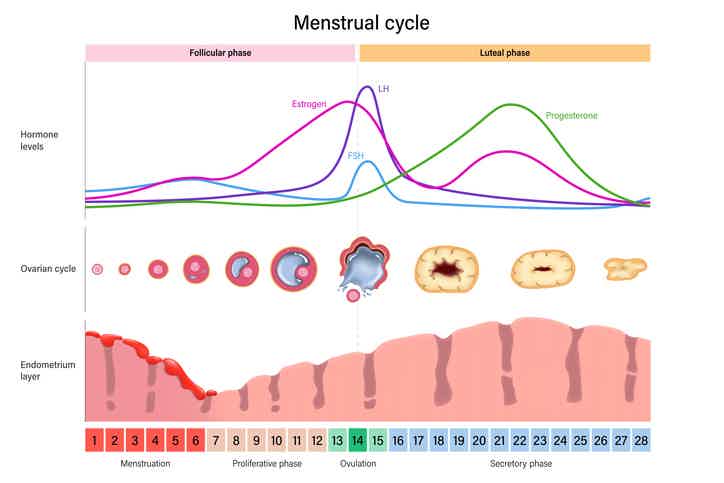
Insulin, cortisol, and thyroid hormones also significantly impact menstrual regularity. High insulin levels from blood sugar imbalances can increase androgen production, disrupting ovulation. Chronic stress elevates cortisol, which interferes with reproductive hormone production. Thyroid dysfunction affects the entire hormonal cascade, making holistic approaches vital for lasting results.
Common Causes of Hormonal Imbalances
Modern lifestyle factors contribute significantly to hormonal disruption. Chronic stress, inadequate sleep, processed foods, environmental toxins, and sedentary behaviour all impact hormone production and metabolism. Additionally, nutrient deficiencies—particularly in omega-3 fatty acids, magnesium, vitamin D, and B vitamins—prevent the body from producing and processing hormones effectively.
Birth control use, certain medications, underlying conditions like polycystic ovary syndrome (PCOS), and digestive issues also contribute to hormonal imbalances. Understanding these interconnected factors helps create targeted natural treatment approaches that address multiple contributing elements simultaneously.
Perimenopause is another common and often overlooked cause of irregular cycles, typically beginning in a woman’s late 30s to 40s. During this phase, fluctuations in estrogen and progesterone can lead to unpredictable cycle length, heavier or lighter bleeding, and changes in symptoms from month to month. These hormonal shifts can also affect sleep, mood, and energy levels. While this is a natural transition, targeted nutrition, stress management, and hormonal support can help stabilize symptoms and improve cycle consistency.
Natural Nutrition Strategies for Hormone Balance
1. Nutrients That Support Hormone Production
Specific nutrients serve as building blocks for healthy hormone production and metabolism. Omega-3 fatty acids found in salmon, flaxseeds, and walnuts reduce inflammation and support hormonal health by providing components for hormone synthesis. These healthy fats also help regulate insulin sensitivity, contributing to more stable blood sugar and reduced hormonal disruption.
Magnesium supports over 300 enzymatic reactions in the body, including those involved in hormone production and stress management. Found in leafy greens, nuts, and seeds, adequate magnesium intake helps reduce PMS symptoms and supports regular ovulation. B vitamins, particularly B6, support progesterone production and help metabolize estrogen effectively.
2. Anti-Inflammatory Foods for Menstrual Health
Chronic inflammation disrupts hormonal balance and contributes to irregular cycles. Turmeric's anti-inflammatory and anti-spasmodic properties may help reduce uterine cramps and regulate irregular periods. A formulation of turmeric, boswellia, and sesame has shown promising results for menstrual pain relief, while curcumin supports overall hormonal health by reducing inflammatory markers that interfere with reproductive function.

Cruciferous vegetables like broccoli, cauliflower, and Brussels sprouts contain compounds that help metabolize excess estrogen and balance hormones. These vegetables support the liver's detoxification pathways, helping eliminate hormonal waste products that could otherwise contribute to estrogen dominance and cycle irregularities.
3. Gut Health and Hormone Metabolism
The gut microbiome plays a vital role in hormone metabolism and balance. Consuming fiber supports gut health, which in turn influences hormone metabolism and increases the body's sensitivity to insulin, ensuring the body gets the right amount of energy while supporting stable blood sugar levels throughout the cycle.
Maintaining a healthy gut through fermented foods can help metabolize excess hormones, supporting hormone balance and a healthy cycle. Fermented foods like kefir, sauerkraut, and kimchi provide beneficial bacteria that assist in breaking down and eliminating excess hormones, preventing them from recirculating and causing imbalances.
Professional Guidance for Nutritional Support
While general nutrition principles support hormonal health, individual needs vary significantly based on specific imbalances, health history, and lifestyle factors. Working with qualified practitioners helps identify particular nutrient deficiencies, food sensitivities, and metabolic issues that may be contributing to cycle irregularities.
Professional assessment can reveal hidden factors like digestive dysfunction, chronic infections, or specific hormonal patterns that require targeted nutritional interventions beyond basic dietary improvements.
Movement and Exercise for Cycle Regulation
Exercise Types That Support Hormonal Balance
Regular exercise, including strength training and cardio, can increase insulin sensitivity, lower stress hormones, and support healthy thyroid function, contributing to more regular periods. However, the type, intensity, and timing of exercise significantly impact hormonal outcomes, making mindful movement choices vital for cycle support.

Moderate-intensity activities like brisk walking, swimming, and yoga support hormonal balance without creating additional stress on the body. Strength training helps improve insulin sensitivity and supports healthy body composition, both vital for regular cycles. Excessive high-intensity exercise, however, can increase cortisol levels and disrupt reproductive hormones.
Cycle Syncing: Matching Movement to Your Monthly Rhythm
Adapting exercise intensity and type to different phases of the menstrual cycle can optimize hormonal support and energy levels. During the follicular phase (days 1-14), energy typically increases, making it an ideal time for more intense activities like strength training and high-intensity interval training.
The luteal phase (days 15-28) often benefits from gentler activities like yoga, walking, and stretching as progesterone levels rise and energy naturally decreases. This approach works with natural hormonal fluctuations rather than against them, supporting overall cycle health and regularity.
Stress Management for Menstrual Regularity
Sleep Quality and Hormone Production
Sufficient sleep is vital for hormonal health, as hormone levels rise and fall throughout the day in response to sleep quality. During deep sleep phases, the body produces growth hormone and regulates cortisol levels, both necessary for reproductive hormone balance and regular cycles.
Poor sleep quality or insufficient sleep duration disrupts this delicate hormonal rhythm, leading to elevated cortisol levels that interfere with reproductive hormone production. Prioritizing 7-9 hours of quality sleep and maintaining consistent sleep schedules supports natural hormone regulation and cycle predictability.
Proven Stress Reduction Techniques
Stress reduction techniques such as meditation, deep breathing exercises, and yoga can help lower stress levels and promote hormonal balance. These practices activate the parasympathetic nervous system, reducing cortisol production and allowing reproductive hormones to function optimally.
Regular meditation, even for 10-15 minutes daily, has been shown to reduce stress hormones and improve overall hormonal balance. Deep breathing exercises can be particularly helpful during stressful moments, providing immediate cortisol reduction and supporting long-term hormonal health when practiced consistently.
Traditional Herbs and Natural Remedies
Evidence-Based Herbal Support
Several herbs have demonstrated effectiveness in supporting hormonal balance and menstrual regularity through clinical research. Evening primrose oil may increase glutathione levels, reducing oxidative stress and inflammation, which can play a role in treating irregular periods by supporting overall cellular health and hormone metabolism. However, scientific validation for its effectiveness in treating menstrual irregularity specifically is limited and inconsistent.

Vitex (chaste tree berry) helps support progesterone production by influencing pituitary hormone release, making it particularly useful for women with luteal phase defects or progesterone deficiency. Red raspberry leaf provides minerals and has been traditionally used to tone the uterus and support reproductive health.
Seed Cycling: A Traditional Approach to Hormone Balance
Seed cycling, which involves eating specific seeds during different phases of the menstrual cycle, can promote hormone balance through targeted nutritional support. During the follicular phase (days 1-14), consuming flax seeds and pumpkin seeds provides lignans and zinc that support healthy estrogen levels and ovulation. However, there is limited scientific evidence to support the direct relationship between seed cycling and improved hormonal balance.
During the luteal phase (days 15-28), sesame seeds and sunflower seeds offer vitamin E and selenium that support progesterone production and reduce PMS symptoms. This practice combines traditional wisdom with modern understanding of how specific nutrients support different phases of the hormonal cycle.
Professional Guidance for Herbal Remedies
While many herbs and natural remedies are generally safe, individual responses vary, and some may interact with medications or existing health conditions. Professional guidance ensures appropriate herb selection, proper dosing, and monitoring for effectiveness and potential interactions.
Qualified practitioners can create personalized herbal protocols based on specific hormonal imbalances, health history, and individual needs, maximizing benefits while minimizing risks. This personalized approach often yields better results than generic herbal recommendations.
Your Path to Natural Hormone Balance Starts Today
Achieving natural hormone balance and regular cycles requires patience, consistency, and often professional guidance, but the results can be transformative for overall health and well-being. Starting with foundational changes—improving nutrition, managing stress, and supporting sleep—creates the groundwork for more advanced natural interventions to be effective.
Remember that hormonal healing takes time, typically 3-6 months to see significant improvements as the body adjusts to new patterns and nutrients. Tracking symptoms and cycle changes during this period helps identify which approaches are most effective and guides ongoing adjustments to the natural protocol.
The path to hormonal balance is highly individual, but with the right combination of natural approaches and professional support, most women can achieve significant improvements in cycle regularity and overall reproductive health. Healthflow Naturopathic provides natural hormone regulation support to help women restore balance and achieve optimal menstrual health.
Ready to get started?
Book your free discovery call with a Naturopathic Doctor of your choice.
Free Discovery CallDisclaimer: The information in this blog is for educational purposes only and does not replace professional medical advice. Always consult a qualified healthcare provider with questions regarding your health.