
What are the Signs and Symptoms of SIBO?
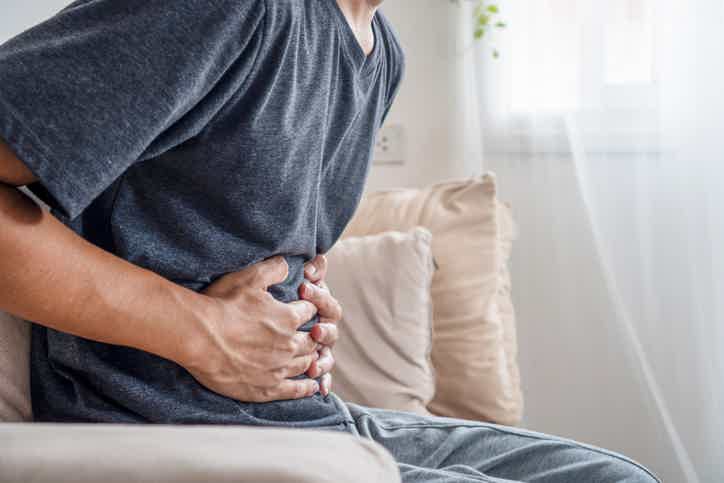
If you feel bloated after nearly every meal, experience unpredictable digestion, or wake up tired no matter how much you sleep, you might have been told it’s just IBS. But what if those frustrating symptoms are actually signs of something deeper?
The truth is, many people diagnosed with Irritable Bowel Syndrome are actually living with SIBO — Small Intestinal Bacterial Overgrowth. This hidden condition can affect digestion, energy, mood, and even your ability to think clearly. The good news? Once identified, it’s completely treatable.
Five key signs your gut issues could be SIBO and what you can do to heal naturally.
1. Your Bloating Is Persistent and Worsens After Meals
Occasional bloating is normal — but constant bloating that worsens as the day goes on is a red flag. With SIBO, bacteria that don’t belong in your small intestine begin to ferment your food prematurely. This creates excess hydrogen and methane gases that stretch the gut, leading to pressure, pain, and distension.
You might notice that your belly feels flat in the morning but looks several months pregnant by evening. This “food baby” effect is one of the most common SIBO symptoms and one that rarely improves with standard IBS treatments.
2. You Feel Fatigued and Sluggish — Even After Rest
Your gut isn’t just about digestion; it’s also central to how your body creates and regulates energy. When SIBO interferes with nutrient absorption — especially of iron, B12, and magnesium — your cells don’t get the fuel they need. The result? Low energy, weakness, and constant fatigue.
Inflammation triggered by bacterial overgrowth also taxes your metabolism and immune system, making it harder to recover or feel rested. Many patients describe feeling like their “battery never charges,” no matter how much they sleep.
3. You Struggle with Brain Fog and Mood Changes
Have you ever felt mentally cloudy, forgetful, or disconnected — especially when your gut feels off? That’s not your imagination.
The gut and brain communicate through the gut-brain axis, and when the gut is inflamed, it releases chemicals that affect focus and mood. Bacterial overgrowth can also alter neurotransmitters like serotonin, which is mostly produced in the gut.
People with SIBO often describe feeling foggy, anxious, or irritable — symptoms that improve dramatically once their digestion is healed.
4. You React Poorly to Probiotics or High-Fiber Foods
Probiotics and fiber are usually great for gut health, but if you have SIBO, they can make symptoms worse. Adding more bacteria (through probiotics) or feeding the existing ones (with fiber) can increase fermentation and gas production.
If you’ve ever felt worse after taking a probiotic or eating “healthy” foods like garlic, onions, or beans, it might be a sign that your small intestine is overpopulated with bacteria. Identifying and treating SIBO is key to restoring balance — so that those same foods can nourish you again later.
5. You Feel Better on a Restricted Diet — But the Relief Doesn’t Last
Many people with SIBO notice improvement when they follow a low-FODMAP or elimination diet. These approaches reduce fermentable carbohydrates that bacteria feed on, temporarily decreasing bloating and discomfort.
But here’s the catch: while symptom relief feels amazing, diet alone doesn’t fix the root cause. The bacterial overgrowth remains, waiting to flare up as soon as you reintroduce normal foods. True recovery requires identifying and addressing SIBO directly.
Why SIBO Develops in the First Place
SIBO can develop for many reasons — often after something disrupts your gut’s natural movement or microbiome balance. Common triggers include:
Food poisoning or a stomach infection that damages gut motility.
Chronic stress or poor sleep, which weaken digestion and slow intestinal waves.
Frequent snacking, preventing the gut’s cleansing cycles between meals.
Long-term use of antacids or antibiotics, which alter gut bacteria balance.
Underlying hormonal or structural issues, like hypothyroidism or scar tissue.
The key to recovery is not just treating the overgrowth but correcting these underlying contributors.
Testing for SIBO: The Breath Test Explained
The Lactulose Breath Test is the gold standard for detecting SIBO. It’s a simple, at-home, non-invasive test that measures hydrogen and methane gases in your breath after consuming a lactulose solution.
Here’s what to expect:
You’ll follow a brief preparation diet for one or two days.
You’ll drink a lactulose solution that travels through your small intestine.
Breath samples are collected every 20 minutes over a three-hour period.
If gas levels rise too early, it confirms bacterial overgrowth in the small intestine. Knowing whether your SIBO is hydrogen-dominant, methane-dominant, or mixed helps determine the most effective treatment.
How to Treat and Heal SIBO
Once diagnosed, a targeted treatment plan can help you reclaim your energy and comfort. The approach typically includes:
Antimicrobial therapy (herbal or prescription) to reduce bacteria.
Dietary support, such as a temporary SIBO-specific or low-FODMAP diet.
Digestive and motility support, using enzymes, bitters, or prokinetic supplements.
Lifestyle changes — spacing meals 4–5 hours apart, reducing stress, improving sleep, and supporting the gut-brain connection.
Healing takes time, but with proper guidance, most people see significant improvement within a few months.
Regain Control of Your Gut — and Your Life
If you’ve been battling bloating, fatigue, and brain fog without answers, it’s time to stop guessing. SIBO is common, treatable, and often the missing piece behind years of unexplained digestive issues.
You deserve to eat comfortably, think clearly, and wake up feeling energized again. The first step is understanding what your gut is really trying to tell you.
If you recognize yourself in these symptoms, don’t wait — book a consultation with Dr. Derek Cook today. Through personalized testing and a targeted treatment plan, you can finally uncover the root cause of your bloating, fatigue, and brain fog — and start feeling like yourself again.
Your gut is the foundation of your health. Let’s rebuild it — together.
Ready to get started?
Book your free discovery call with one of our Naturopathic Doctor today.
Free Discovery Call
Dr. Derek Cook has a background in biology and chemistry and training in Auricular medicine. He takes an aggressive approach to provide fast results. He focuses on individualized care using core health fundamentals and bioenergetic assessment to support lasting healing. Read full bio
Disclaimer: The information in this blog is for educational purposes only and does not replace professional medical advice. Always consult a qualified healthcare provider with questions regarding your health.