
Why Symptoms Persist After Lyme Disease and How to Support Immune Recovery Naturally
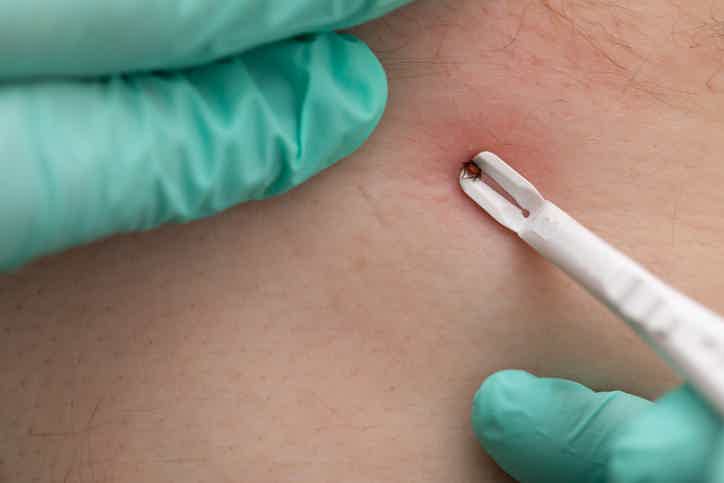
Between 10-20% of Lyme patients face persistent symptoms even after antibiotic treatment—but most don't realize their immune system has been fundamentally rewired. The key to recovery lies in understanding three specific mechanisms that keep your body attacking itself.
Key Takeaways
Between 10-20% of Lyme disease patients experience persistent symptoms after standard antibiotic treatment, a condition known as Post-Treatment Lyme Disease Syndrome (PTLDS).
Post-Lyme immune dysfunction stems from multiple factors, including altered dendritic cells, lingering bacterial remnants in the liver, and disrupted gut bacteria from both the infection and treatment.
A multi-tiered naturopathic approach addresses fuel delivery, inflammation reduction, and microbiome restoration to support immune system recovery.
Evidence-based supplements like vitamin C, omega-3 fatty acids, and specific probiotic strains can provide complementary support for post-Lyme recovery when combined with dietary interventions.
Natural therapies show promise but require further clinical research to establish their effectiveness in treating persistent Lyme symptoms.
Post-Lyme recovery presents unique challenges that extend far beyond the initial infection. While most individuals recover completely with appropriate treatment, a significant portion continue to struggle with debilitating symptoms that can persist for months or years. Understanding the complex mechanisms underlying immune system disruption offers hope for those seeking recovery approaches that address root causes rather than manage symptoms.
Between 10-20% of Patients Experience Persistent Symptoms After Lyme Treatment
Post-Treatment Lyme Disease Syndrome affects a substantial number of individuals who have completed standard antibiotic therapy for Lyme disease. These patients continue to experience a constellation of symptoms, including persistent fatigue, musculoskeletal pain, cognitive impairment, and autonomic dysfunction that can significantly impact quality of life. The condition presents a complex medical puzzle that requires a deeper understanding of how Borrelia burgdorferi affects the immune system even after bacterial eradication.
The persistence of symptoms following treatment has led researchers to investigate the mechanisms that maintain the immune system's dysfunction. Dr. Adrienne Waunch at Healthflow Naturopathic recognizes these challenges and offers support to individuals navigating the complexities of post-Lyme recovery through evidence-based natural medicine.
Why Your Immune System Stays Disrupted After Lyme Treatment
The aftermath of Lyme disease involves several interconnected factors that maintain immune system dysfunction long after the initial infection has been treated. Understanding these mechanisms provides insights into why some patients continue to struggle with symptoms despite completing antibiotic therapy.
1. Borrelia Bacteria Alters Dendritic Cells and Triggers Autoimmunity
Research indicates that Borrelia burgdorferi fundamentally alters dendritic cells, which are components of the immune system responsible for presenting antigens to T-cells. This alteration can misdirect the immune system, leading it to attack healthy tissues rather than focusing on actual threats. The bacteria essentially rewire the immune response, creating a state where the body's defense mechanisms work against its own cells, leading to persistent inflammation and autoimmune-like symptoms that persist even after bacterial clearance.
2. Cell Wall Remnants May Persist in the Liver, Potentially Contributing to Inflammation
Researchers have identified a mechanism behind persistent Lyme symptoms: remnants of the Borrelia burgdorferi cell wall that linger in the liver after treatment. Studies suggest that the body continues to respond to these molecular fragments, triggering ongoing inflammatory responses. These persistent bacterial components act like splinters, continuously stimulating immune reactions and maintaining a state of chronic inflammation that manifests as the diverse symptoms associated with PTLDS.
3. Both Antibiotic Treatment and Lyme Disease Itself Can Disrupt Protective Gut Bacteria
The gut microbiome plays a role in immune function, and both Lyme disease and its antibiotic treatment can significantly disrupt this delicate ecosystem. Research has identified distinct microbiome signatures in PTLDS patients, including elevated Blautia and reduced Bacteroides. These imbalances can perpetuate immune dysfunction, as beneficial bacteria that typically support immune regulation and inflammation control are depleted, while potentially harmful organisms proliferate. The disruption creates a cycle where compromised gut health further impairs immune recovery.
The Multi-Tiered Naturopathic Recovery Approach
Naturopathy addresses post-Lyme recovery through a systematic approach that targets the underlying mechanisms of immune dysfunction. This methodology recognizes that effective recovery requires addressing multiple interconnected systems simultaneously rather than focusing on individual symptoms.
Addressing Fuel Delivery and Energy Production
Cellular energy production becomes significantly impaired in post-Lyme patients, contributing to the profound fatigue that characterizes PTLDS. This approach focuses on supporting mitochondrial function through targeted nutritional interventions that support ATP production. B vitamins, particularly B1 (thiamine), B6 (pyridoxine), and B12 (cobalamin), play vital roles in cellular energy metabolism. Supporting these pathways helps restore the cellular machinery necessary for proper immune function while addressing the debilitating fatigue that affects most post-Lyme patients.
Inflammation Reduction Strategy
Chronic inflammation represents a central feature of PTLDS, requiring targeted interventions to break the cycle of persistent immune activation. This strategy employs both dietary modifications and specific nutrients known for their anti-inflammatory properties. Omega-3 fatty acids, particularly EPA and DHA, have demonstrated anti-inflammatory effects in clinical studies of chronic inflammatory conditions. The approach also incorporates antioxidants and phytonutrients that help modulate inflammatory pathways and support the body's natural resolution of inflammation.
Gut Health Recovery and Microbiome Restoration
Restoring gut health represents a cornerstone of post-Lyme recovery, given the profound impact of microbiome disruption on immune function. This component focuses on reestablishing beneficial bacterial populations while addressing intestinal permeability and digestive function. Specific probiotic strains, including Lactobacillus and Bifidobacterium species, help restore immune balance and support the production of short-chain fatty acids that fuel intestinal healing. Supporting digestive enzyme production and addressing potential food sensitivities further supports gut recovery.
Mediterranean Diet Foundation for Immune Recovery
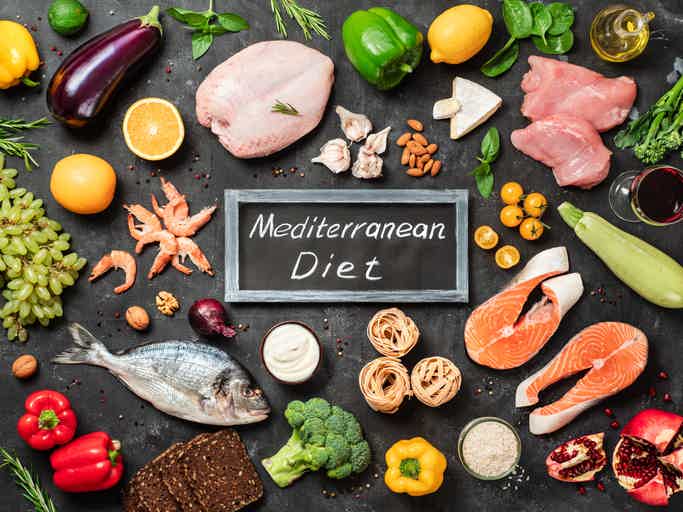
The Mediterranean diet provides an evidence-based nutritional foundation for post-Lyme recovery, offering powerful anti-inflammatory properties that directly address the chronic inflammation associated with PTLDS. This dietary pattern emphasizes whole foods rich in antioxidants, healthy fats, and bioactive compounds that support immune system regulation and tissue healing.
Anti-Inflammatory Foods That Target Post-Lyme Symptoms
Specific foods within the Mediterranean framework provide targeted benefits for post-Lyme recovery. Fatty fish like salmon and sardines deliver high concentrations of omega-3 fatty acids that help resolve inflammation. Berries provide anthocyanins and other polyphenols that support neurological function and combat oxidative stress. Extra virgin olive oil contains oleocanthal, a compound with anti-inflammatory properties similar to ibuprofen but without the side effects. Leafy greens supply folate and other nutrients for proper immune cell function and DNA repair processes.
Nutrients for Immune System Repair
The Mediterranean diet naturally provides numerous nutrients for immune system recovery. Vitamin E from nuts and seeds supports the integrity of immune cell membranes. Magnesium from whole grains and legumes plays roles in over 300 enzymatic reactions, including those involved in immune function. Selenium from seafood and Brazil nuts supports antioxidant enzyme systems. These nutrients work synergistically to support the complex biochemical processes involved in immune system repair and regulation.
Evidence-Based Supplements for Complementary Post-Lyme Support
While dietary interventions form the foundation of recovery, specific supplements can provide targeted support for the unique challenges of post-Lyme immune dysfunction. These interventions should complement, not replace, nutritional and lifestyle approaches.
1. Vitamin C as Complementary Therapy for Immune Support
Vitamin C plays a role in immune system function and is among the most researched nutrients for immune support. This vitamin supports white blood cell production and function while providing powerful antioxidant protection against the oxidative stress associated with chronic inflammation. Post-Lyme patients often show signs of increased oxidative stress, making vitamin C supplementation particularly relevant. Clinical dosages typically range from 500-2000mg daily, though individual needs may vary based on symptoms and immune status.
2. Omega-3 Fatty Acids for Inflammation Control
High-quality omega-3 supplements, particularly those providing EPA and DHA, offer benefits for managing the chronic inflammation characteristic of PTLDS. Research on inflammatory conditions such as rheumatoid arthritis shows that omega-3 fatty acids can reduce inflammatory markers and provide symptomatic relief. For post-Lyme patients, these beneficial fats support the resolution of inflammation while providing neuroprotective benefits that may help with cognitive symptoms. Clinical studies suggest doses of 2-3 grams daily of combined EPA and DHA for anti-inflammatory effects.
3. Specific Probiotic Strains for Gut Balance Restoration
Targeted probiotic supplementation addresses the microbiome disruption that contributes to ongoing immune dysfunction in PTLDS patients. Lactobacillus acidophilus NCFM and Bifidobacterium lactis strains have demonstrated benefits for immune modulation and gut barrier function. These specific strains help restore beneficial bacterial populations and support the production of metabolites that influence immune function. Quality probiotic supplements should provide at least 10-50 billion CFUs and include multiple complementary strains for optimal microbiome support.
Natural Therapies Requiring Further Clinical Research
Several natural interventions show promising preliminary results for post-Lyme recovery but require additional clinical validation before being considered established treatments. These approaches represent emerging areas of research that may offer future therapeutic options.
Essential Oils Show Laboratory Promise but Need Human Studies

Laboratory studies have identified antimicrobial properties in certain oils against Lyme bacteria. Cinnamon bark, clove bud, and oregano oils demonstrate activity against Borrelia burgdorferi in test-tube studies, suggesting potential complementary benefits. However, these promising in-vitro results have not been validated in human clinical trials, and the bioavailability and safety profiles of therapeutic doses remain unclear. While these findings are encouraging, patients should view oils as supportive rather than primary interventions until more robust clinical evidence emerges.
Stem Cell Therapy: An Emerging but Unproven Treatment Option
Stem cell therapies are being studied for tissue repair and immune system modulation in post-Lyme patients. The theoretical basis involves using stem cells' regenerative properties to repair tissue damage and restore normal immune function. However, clinical evidence remains limited, and the field lacks standardized protocols or established safety profiles for PTLDS applications. While stem cell research continues to advance, patients considering these interventions should seek treatment from qualified medical professionals and understand the experimental nature of current applications.
Healthflow Naturopathic Offers Post-Lyme Recovery Support in Canada
Recovering from post-Lyme disease syndrome requires an understanding of the complex immune system disruptions that persist after initial treatment. The multi-factorial approach combining dietary interventions, evidence-based supplementation, and lifestyle modifications offers the most promising path forward for individuals struggling with persistent symptoms. By addressing the root causes of immune dysfunction—including autoimmune triggers, inflammatory cell wall remnants, and microbiome disruption—patients can work toward meaningful recovery and improved quality of life.
For Canadians seeking guidance in post-Lyme recovery, Dr. Adrienne Waunch provides naturopathic support that addresses the complex challenges of immune system restoration through evidence-based natural medicine approaches.
Ready to get started?
Book your free discovery call with one of our Naturopathic Doctor today.
Free Discovery CallDisclaimer: The information in this blog is for educational purposes only and does not replace professional medical advice. Always consult a qualified healthcare provider with questions regarding your health.