
Probiotic Strains for IBS Based on Clinical Research

Share this article

Struggling with IBS and overwhelmed by countless probiotic options? 


New Clinical trials (Xie, Luo, Deng, Fan, & Xiong, 2023) analyzing 81 trials reveal that most people are choosing probiotics completely wrong—and why specific bacterial strains matter more than you think.


Key Takeaways

  • Specific probiotic strains backed by clinical research can effectively manage different IBS symptoms – not all probiotics work the same way for all conditions.
  • Diarrhea-predominant IBS responds best to Saccharomyces boulardii and Lactobacillus paracasei B21060, while constipation-predominant cases benefit from Bifidobacterium lactis strains.
  • Regulatory guidelines differ significantly between regions – the British Society of Gastroenterology recommends probiotics as first-line treatment, while American guidelines suggest against them for global IBS symptoms.
  • Network meta-analysis of 81 clinical trials reveals which specific strains rank highest for different IBS outcomes, helping patients make evidence-based choices.


Living with Irritable Bowel Syndrome means navigating a confusing landscape of treatment options, especially when it comes to probiotics. While grocery store shelves overflow with generic probiotic products making broad health claims, the reality is far more nuanced. Clinical research reveals that specific bacterial strains – not just any probiotic – can effectively target particular IBS symptoms.


Clinical Evidence Supports Specific Strains Over General Probiotics

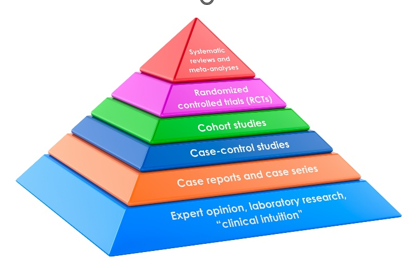
The days of choosing probiotics based solely on marketing claims are coming to an end. A 2023 network meta-analysis (Xie, Luo, Deng, Fan, & Xiong, 2023) examining 81 randomized controlled trials with over 9,000 participants has advanced our understanding of probiotic efficacy in IBS management. This landmark research demonstrates that strain-specific selection, rather than the use of generic probiotics, is a key factor in determining treatment success.


The analysis employed rigorous scientific methodology to rank individual probiotic strains based on their performance in clinical trials. Unlike previous studies that grouped all probiotics, this research evaluated the effectiveness of each strain for specific IBS outcomes, including symptom severity scales, quality of life measures, reduction of abdominal pain, and normalization of bowel movements.


Dr. Derek Cook at Healthflow Naturopathic emphasizes this evidence-based approach when helping patients select probiotics for digestive health concerns. The clinical data reveal significant differences between strains, with some showing remarkable efficacy while others demonstrate minimal benefit compared to placebo.


Leading Strains for Diarrhea-Predominant IBS Saccharomyces Boulardii for IBS-D Management

Saccharomyces boulardii stands apart as the most researched probiotic yeast for diarrhea-predominant IBS. A 2025 review (McFarland & Li, 2025) analyzing clinical trials confirmed S. boulardii as one of the most effective options for managing diarrhea in IBS. Patients experienced significant improvements in both abdominal pain intensity and bowel movement frequency when using this specific strain of probiotics.


Unlike bacterial probiotics, S. boulardii functions as a beneficial yeast with unique properties. It survives stomach acid better than many bacterial strains and doesn't colonize permanently in the gut. This transient nature allows it to provide therapeutic benefits while supporting the growth of beneficial resident bacteria.


Lactobacillus Paracasei B21060 and HA-196

Clinical trials (Xie, Luo, Deng, Fan, & Xiong, 2023) demonstrate that Lactobacillus paracasei B21060 significantly reduces bowel movement frequency in patients with diarrhea-predominant IBS. The strain ranked among the top three most effective probiotics for this specific outcome in network meta-analysis.


Meanwhile, L. paracasei HA-196 has shown some efficacy across mixed IBS types in certain studies. Research suggests that this strain may alleviate symptoms across various IBS presentations, making it potentially valuable for patients with alternating or mixed symptom patterns. The versatility of HA-196 stems from its ability to modulate immune responses and strengthen intestinal barrier function.


Bacillus Coagulans GBI-306086 and MTCC 5856

Two specific strains of Bacillus coagulans have emerged as powerhouse options for IBS-D management. B. coagulans MTCC 5856 achieved a high ranking for improving the Bristol stool form scale in diarrhea-predominant cases. This strain also ranked first for reducing abdominal pain in a network meta-analysis.


B. coagulans GBI-306086 demonstrates particular effectiveness in reducing bowel movement frequency in patients with frequent, loose stools. The spore-forming nature of Bacillus strains provides superior survival through gastric acid, ensuring therapeutic quantities reach the intestinal tract where they exert their beneficial effects.


Evidence-Based Options for Constipation-Predominant IBS

Bifidobacterium Lactis BB-12 and HN019

Constipation-predominant IBS requires different therapeutic approaches, and clinical research supports specific Bifidobacterium lactis strains for this purpose. BB-12 has undergone extensive clinical testing, with studies demonstrating that it promotes regular bowel movements and reduces intestinal transit time in individuals with constipation.

B. lactis HN019 specifically targets intestinal transit time improvement. Clinical trials demonstrate that this strain helps normalize bowel movement patterns in IBS-C patients while supporting overall digestive health. The mechanism involves enhancing gut motility and supporting the growth of beneficial bacteria that promote healthy elimination.


Multi-Strain Combinations vs Single Strains

A 2007 clinical trial (Kajander, et al., 2007) investigated a multi-strain formula containing BB-12, L. rhamnosus GG, L. rhamnosus Lc705, and P. freudenreichii. Results showed greater decreases in IBS symptom scores compared to placebo, with abdominal distension and pain responding especially favorably to the combination approach.

This research suggests that carefully selected multi-strain formulations may offer synergistic benefits. The different bacterial species work through complementary mechanisms – some focusing on immune modulation while others enhance barrier function or produce beneficial metabolites.


Mixed and Alternating IBS Symptoms Management

Lactobacillus Acidophilus NCFM and DDS-1

For patients experiencing varied IBS symptoms, L. acidophilus NCFM may offer support for abdominal discomfort in some patients. Clinical evidence demonstrates its effectiveness in alleviating abdominal pain, gas, bloating, and improving bowel regularity across various types of IBS. This versatility makes NCFM particularly valuable for patients who don't fit neatly into traditional IBS categories.


L. acidophilus DDS-1 achieved a high ranking for improving IBS Symptom Severity Scale scores in network meta-analysis. This strain's broad efficacy profile includes significant reductions in abdominal pain, with a standardized mean difference of -19.53 compared to placebo.


Bifidobacterium Lactis Bi-07 Combinations

When combined with L. acidophilus NCFM, Bifidobacterium lactis Bi-07 has been studied in IBS patients with promising results. The combination regulates bowel movements while providing relief from bloating, abdominal distension, and cramping. This dual-strain approach addresses multiple IBS symptoms simultaneously through complementary mechanisms.

Clinical trials have shown that Bi-07 may enhance the therapeutic effects of NCFM, particularly in patients with mixed symptom presentations. The synergistic relationship between these strains creates a more targeted therapeutic approach than either strain used alone.


Research Quality and Regulatory Perspectives

NHS Recommendations vs American Guidelines

A significant divide exists between international regulatory perspectives on the use of probiotics for IBS. The National Health Service (NHS) acknowledges that probiotics may help ease some IBS symptoms but notes that little is known about which types are most effective. However, they emphasize important quality considerations – products must contain the bacteria stated on the labels, provide sufficient quantities for a therapeutic effect, and ensure bacterial survival in the gut.

Contrasting sharply, the British Society of Gastroenterology lists probiotics as first-line treatment for IBS, while the American College of Gastroenterology guidelines suggest against probiotics for global IBS symptoms. This disparity reflects different interpretations of available evidence and varying approaches to clinical recommendations.

Network Meta-Analysis Rankings

The 2023 systematic review and network meta-analysis provide a detailed evaluation of probiotic efficacy to date. By analyzing 81 randomized controlled trials, researchers developed the first evidence-based ranking system for specific probiotic strains in the treatment of IBS.


The methodology employed the surface under the cumulative ranking curve (SUCRA) analysis to determine which interventions performed best for each outcome. L. acidophilus DDS-1 ranked first for IBS Symptom Severity Scale improvement, while a five-strain mixture achieved the highest ranking for IBS Quality of Life measures. This data provides unprecedented clarity for both patients and healthcare providers.


Choose Research-Backed Strains for Your IBS Type

The era of trial-and-error probiotic selection is coming to an end, replaced by evidence-based strain selection tailored to specific presentations of IBS. Patients with diarrhea-predominant symptoms should prioritize Saccharomyces boulardii, L. paracasei B21060, or B. coagulans MTCC 5856. Those with constipation-predominant IBS benefit most from B. lactis BB-12 or HN019 strains.


For mixed or alternating symptoms, L. acidophilus DDS-1 combined with B. lactis Bi-07 offers targeted symptom management. The key lies in matching specific strains to individual symptom patterns rather than choosing generic probiotic products.


Quality considerations remain paramount – therapeutic benefits require products that deliver viable bacteria in sufficient quantities to the intestinal tract. This necessitates careful attention to manufacturing standards, storage conditions, and strain-specific research validation.


For personalized guidance on selecting research-backed probiotic strains for your specific IBS presentation, book a consultation with Dr. Derek Cook at Healthflow Naturopathic, where evidence-based naturopathic care meets clinical expertise in digestive health optimization.


Works Cited

Kajander, K., Myllyluoma, E., Rajilić-Stojanović, M., Kyrönpalo, S., Rasumussen, M., Järvenpää, S., . . . Korpela, R. (2007, October 6). Clinical trial: multispecies probiotic supplementation alleviates the symptoms of irritable bowel syndrome and stabilizes intestinal microbiota. Retrieved from Alimentary pharmacology & therapeutics:

https://doi.org/10.1111/j.1365-2036.2007.03542.x

McFarland, L. V., & Li, T. (2025, June 3). Efficacy and safety of Saccharomyces boulardii CNCM I-745 for the treatment of pediatric acute diarrhea in China: a systematic review and meta-analysis. Retrieved from Frontiers in cellular and infection microbiology:

https://doi.org/10.3389/fcimb.2025.1587792

Xie, P., Luo, M., Deng, X., Fan, J., & Xiong, L. (2023, September 4). Outcome-Specific Efficacy of Different Probiotic Strains and Mixtures in Irritable Bowel Syndrome: A Systematic Review and Network Meta-Analysis. Retrieved from Nutrients:

https://doi.org/10.3390/nu15173856


Recent Posts

December 15, 2025
 Small Intestine Bacterial Overgrowth Natural Treatment with Timeline Small Intestine Bacterial Overgrowth Natural Treatment with Timeline Gut Health | Sibo | Naturopathic Medicine October 27, 2025 • 11 min read Struggling with SIBO symptoms like bloating and digestive distress? A groundbreaking 2014 study (Chedid, et al., 2014) revealed that natural herbal treatments can be just as effective as antibiotics —but there's a specific timeline and approach that determines success or failure. Key Ta

December 15, 2025
 5 Signs Your Irritable Bowel Syndrome (IBS) is Really SIBO 5 Signs Your Irritable Bowel Syndrome (IBS) is Really SIBO Gut Health | Naturopathy | IBS April 07, 2017 • 6 min read What does snacking, food poisoning, antibiotics, probiotics and fermentable sugar all have in common? They may seem unrelated, but they are actually clues that your Irritable Bowel Syndrome (IBS) may actually have an underlying cause that is both testable and treatable. Can you imagine not having to deal with embarrassi
December 15, 2025
 3 TIPS FOR SPRING CLEANING YOUR CUPBOARDS 3 TIPS FOR SPRING CLEANING YOUR CUPBOARDS Community Care | Family Naturopathic Care April 22, 2015 • 3 min read Whether or not spring beckons you to start cleaning, consider a spring-cleaning of your kitchen and pantry. Take this month to consciously look at what is in your kitchen cupboards and make a move to get rid of processed foods and to restock with whole foods. Processed foods are detrimental to our health in several ways. Refined grains (anyth

December 15, 2025
 Your hormones and the DUTCH test Your hormones and the DUTCH test Womens Health | Hormones | Dutch Testing February 02, 2018 • 3 min read Hormones and hormonal imbalance are always hot topics, and with good reason. Your body is constantly being affected by your body’s mini messengers, and if they’re out of whack, you’re probably not feeling on top of your game. Fatigue, insomnia, depression, anxiety, low libido, and irregular menstrual cycles are just a few of the common symptoms of hormone im

December 15, 2025
 6 Free and Easy Ways to Take Control of Your Health and Wellbeing Now 6 Free and Easy Ways to Take Control of Your Health and Wellbeing Now Naturopathy May 11, 2017 • 3 min read Do you put the wellbeing of others before your own? Your kids? Your spouse? Your friends and family? Do you find it difficult to find the time to take care of your own health? If this is you, you’re not definitely not alone. As a naturopathic doctor, I can easily put the health of my patients first if I’m not intention

December 15, 2025
 A 3-Pronged Approach to Help Your Gut and Overall Health A 3-Pronged Approach to Help Your Gut and Overall Health Gut Health | Sibo May 30, 2020 • 3 min read A lot goes on in our intestines and it effects our physical and mental health. Our gut is part of our immune system. Keeping it’s lining from being irritated and keeping a healthy balance of good bacteria in the right places in it is very important for body including our brain. SIBO is common in our society. People often have it and don’t
December 15, 2025
 Becoming an ND Becoming an ND Naturopathy January 12, 2013 • 5 min read After graduating university, I landed a job with a pharmaceutical company as formulator and product development chemist. I was eager to begin using my double major degree in Biology and Chemistry in a health related field. I always knew I wanted to be in the health field, and I found comfort in knowing I was helping others. Interestingly, life, the universe or whatever you want to call it was about to deliver a message, “H
December 15, 2025
 Food Sensitivities Vs Food Allergies Test Food Sensitivities Vs Food Allergies Test Gut Health | Naturopathy | Sibo | Food Sensitivities August 17, 2018 • 2 min read Knowing the difference is very important as many people will use food sensitivities or tolerances interchangeably with food allergies. These are two very different tests and tell us very different things. They are not the same. Food Allergen Food allergies are tested from the classic IgE immunoglobulin in the blood and react very

December 15, 2025
 Cupping Helps Michael Phelps Cupping Helps Michael Phelps Community Care | Mens Health | Naturopathy | Womens Health August 12, 2016 • 1 min read I love the Olympics and while watching earlier this week I was super excited to see Michael Phelps sporting cupping marks on his skin while in the swimmers starting block. As a Naturopathic Doctor, it is one of many tools that I use to help people with their health concerns, in particular muscular pain and recovery. So, I was excited to see an elite

December 15, 2025
 Got a Flu, Now what? Got a Flu, Now what? Naturopathy | Cold and Flu October 19, 2015 • 5 min read At this point you are probably miserable and annoyed you caught the bug. So now what? Most of us have a set routine; maybe it is over the counter medications or something else. In this article I have given you some solid tips that I have used for myself, my kids and for my patients. As mentioned in my previous newsletter article hate having a flu , taking Vitamin C right away at first set of symp
Show More