
How to Identify Endometriosis: Common Symptoms & Treatment Options

Key Takeaways
Endometriosis occurs when tissue that resembles the uterine lining grows outside the uterus, causing inflammation, scarring, and adhesions over time.
Symptoms often go beyond painful periods and can include deep pelvic pain, discomfort during sex, bowel and bladder issues, heavy bleeding, chronic fatigue, and severe bloating.
The condition is frequently misdiagnosed or overlooked because its symptoms overlap with other conditions like IBS, and many people are taught to accept severe period pain as normal.
Treatment options include naturopathic care, hormone therapy, pelvic floor therapy, and surgery, and the most effective approach is typically one that combines multiple strategies tailored to the individual.
Healthflow Naturopathic supports women with endometriosis through hormone support, nutritional guidance, and evidence-informed natural therapies designed to address the underlying contributors to symptoms.
What Is Endometriosis?
Endometriosis is a condition where tissue similar to the lining of the uterus grows outside the uterus in places it doesn't belong. This can include the ovaries, fallopian tubes, the outer surface of the uterus, and the tissue lining the pelvis.
In more severe cases, it can spread to the bowel, bladder, rectum, or even the diaphragm. Each month, this misplaced tissue responds to hormonal changes as the uterine lining does; it thickens, breaks down, and bleeds. But unlike normal uterine lining, it has nowhere to go. That trapped blood and tissue can lead to inflammation, scarring, and adhesions that bind pelvic organs together.
Delayed diagnosis carries a real cost. The longer endometrial tissue grows unchecked, the more scarring and adhesions can form, which is why doctors increasingly encourage women to track when their pain occurs relative to their cycle rather than just how severe it feels. That timing pattern often reveals more than a pain scale ever could, and it can be the detail that finally moves a diagnosis forward.
Healthflow Naturopathic works with women navigating this exact process, using functional testing and hormone support to identify what's driving symptoms rather than only managing them month to month.
Healthflow Naturopathic: Root-Cause Care for Lasting Wellness 15+ Years of Practice | 4.6★ Google Rating | Calgary, AB & Virtually Alberta-Wide  Heal Beyond the Symptoms: Discover personalized naturopathic care that looks deeper into digestive issues, autoimmune concerns, and mental wellness. Healthflow Naturopathic combines functional testing, clinical nutrition, and evidence-informed natural therapies to build individualized plans focused on long-term health and prevention. Care Designed Around You: ✓ Support for IBS, SIBO, bloating, and food sensitivities ✓ Autoimmune and chronic inflammation guidance ✓ Stress, fatigue, and mental wellness support ✓ Functional testing and tailored nutrition plans ✓ In-person and virtual visits, with direct billing available Your health story is unique. Your care should be too. |
Common Symptoms of Endometriosis
Pelvic Pain Beyond Normal Cramping
The most recognized symptom of endometriosis is pelvic pain, and it's important to understand what sets it apart from ordinary period cramps. Normal menstrual cramping is generally manageable and short-lived.
Endometriosis pain is different. It tends to be deeper, sharper, and more persistent, often beginning before a period starts and continuing well after it ends. Chronic pelvic pain, meaning pain that persists outside of the menstrual cycle entirely, is another major red flag that warrants medical evaluation.

For many people, this pain is severe enough to interfere with work, school, exercise, and social activities.
Pain During or After Sex
Dyspareunia, pain during or after sexual intercourse, is another hallmark symptom of endometriosis. It tends to feel like a deep internal pain instead of surface discomfort, and it often occurs when endometrial tissue has developed behind the uterus or near the uterosacral ligaments.
Bowel & Bladder Symptoms
When endometrial tissue grows near the bowel or bladder, it can cause symptoms that are easily confused with digestive conditions like irritable bowel syndrome (IBS). These include painful bowel movements, diarrhea, constipation, bloating, and a frequent or urgent need to urinate. These symptoms tend to be noticeably worse just before or during a menstrual period.
Heavy or Irregular Bleeding
Heavy menstrual bleeding is a common feature of endometriosis. Some people also experience spotting or bleeding between periods. While heavy bleeding alone doesn't confirm endometriosis, when it appears alongside other symptoms like pelvic pain or painful sex, it strengthens the case for further investigation.
It's worth noting that the amount of bleeding doesn't always correlate with how severe the endometriosis actually is. Someone with minimal visible tissue can experience significant bleeding, while others with extensive lesions may have lighter periods.
Fatigue, Bloating, & Nausea
Beyond the more well-known symptoms, many people with endometriosis describe a persistent fatigue that doesn't improve with rest, particularly in the days surrounding their period. Severe bloating, sometimes referred to as "endo belly," can cause visible abdominal distension that is more than typical period bloating. Nausea and digestive upset are also frequently reported, especially during menstruation.
Painful Periods
Many people are told that painful periods are just part of being a woman. While some discomfort during menstruation is common, pain that disrupts your daily life deserves medical attention. Normal menstrual cramps are caused by the uterus contracting to shed its lining, and while they can be uncomfortable, they should be manageable without significantly disrupting your life.
Endometriosis pain often operates on a different level. It tends to start earlier in the cycle, last longer, and feel qualitatively different, often described as a stabbing, burning, or crushing sensation instead of a dull ache. If you find yourself regularly canceling plans, missing work, or relying on prescription-strength pain relief just to get through your period, that is not a normal baseline to accept.
Treatment Options for Endometriosis
Naturopathic Care
Naturopathic medicine approaches endometriosis by addressing the hormonal imbalances, immune dysfunction, and inflammation that drive the condition. This can include targeted nutritional support, anti-inflammatory dietary changes, herbal medicine, and lifestyle modifications designed to reduce estrogen dominance.
Healthflow Naturopathic, takes this root-cause approach with their patients, using functional testing and individualized protocols to identify which of these underlying factors may be contributing to their symptoms.
Gut health also plays a notable role. Emerging research suggests the estrobolome, the collection of gut bacterial genes involved in estrogen metabolism, may influence how the body processes and excretes estrogen. When this system is disrupted, estrogen that would normally be eliminated can recirculate, potentially contributing to symptom progression.

Dietary choices like incorporating fatty fish can support an anti-inflammatory nutrition plan.
Diet is one of the most accessible tools available. Omega-3 fatty acids, found in fatty fish and flaxseed, have shown anti-inflammatory effects in endometriosis research. Diets high in trans fats and red meat have been associated with increased risk and symptom severity in observational studies.
Naturopathic care works well alongside conventional medical management. It is particularly valuable for those looking to support their body through hormonal therapies or manage ongoing symptoms after surgery.
Hormone Therapy & Birth Control
Hormonal treatments are commonly prescribed for endometriosis and generally aim to lower estrogen levels or reduce the fluctuations that trigger tissue growth and bleeding. Options can include oral contraceptives, progestin-only therapies, hormonal IUDs, GnRH agonist medications, and hormonal patches or injections.
These treatments may help reduce pain and slow disease progression for some patients, though they do not eliminate existing lesions, and symptoms can return after stopping treatment. A naturopathic approach can support the body alongside these therapies.
Surgical Treatment
For moderate to severe endometriosis, or when other treatments have not provided enough relief, surgery is often the most effective option for reducing pain and improving fertility outcomes.
Laparoscopic excision surgery, where endometrial lesions are precisely cut out, is widely considered the gold standard. Thorough removal of all visible lesions is linked to better long-term outcomes and lower recurrence rates.
Hysterectomy in Severe Cases
A hysterectomy, the surgical removal of the uterus, is typically considered a last resort. It is usually recommended only when all other treatments have been unsuccessful, and the person does not wish to preserve fertility.
A hysterectomy alone does not cure endometriosis if tissue outside the uterus remains. Complete removal of all endometrial deposits, and in some cases the ovaries, is necessary for the best chance of long-term symptom relief. This is a decision to work through carefully with a physician.
Healthflow Naturopathic Supports Long-Term Endometriosis Relief

Healthflow Naturopathic offers root-cause naturopathic care in Calgary and virtually across Alberta.
Endometriosis is a complex condition, but understanding your symptoms and treatment options puts you in a stronger position to seek the care you need. Early identification and a personalized approach can make a meaningful difference in long-term quality of life.
At Healthflow Naturopathic, we help women with endometriosis by looking beyond symptoms to address underlying factors like hormonal imbalances, inflammation, and gut health. Our Naturopathic Doctors use functional testing, nutritional support, and evidence-informed natural therapies to build a plan tailored to your body and your goals. Book a consultation today to take the next step toward managing your endometriosis with personalized, root-cause care.
Frequently Asked Questions (FAQs)
Can endometriosis go away on its own?
Endometriosis is a chronic condition that does not typically resolve without treatment. Some people notice a temporary reduction in symptoms during pregnancy or after menopause, but this is not the same as the condition clearing. Active management through naturopathic care, hormone therapy, or surgery remains the most reliable approach to sustained relief.
Does endometriosis always cause infertility?
Endometriosis does not always cause infertility, but it can increase the risk. Many people with endometriosis conceive naturally or with the help of fertility treatments. Early diagnosis and appropriate treatment can help preserve fertility by reducing scarring and adhesion formation.
How long does it take to get an endometriosis diagnosis?
Diagnosis can take several years from symptom onset, often due to symptom normalization, misdiagnosis, and limited awareness among both patients and some healthcare providers. Tracking your symptoms in detail and seeking a provider experienced in endometriosis can help shorten the process.
What is the difference between endometriosis and PCOS?
Endometriosis involves tissue similar to the uterine lining growing outside the uterus, causing inflammation and pain. Polycystic ovary syndrome, or PCOS (recently renamed polyendocrine metabolic ovarian syndrome, or PMOS), is a hormonal and metabolic condition characterized by elevated androgens and irregular ovulation. Both can cause irregular periods and fertility challenges, but they present and progress differently.
Can naturopathic medicine help with endometriosis symptoms?
Naturopathic medicine can be a meaningful part of an endometriosis management plan, particularly for reducing inflammation, supporting hormone balance, and improving gut health. The Naturopathic Doctors at Healthflow Naturopathic use functional testing to identify what may be contributing to patients’ symptoms and build plans around their specific needs. Healthflow Naturopathic offers in-person visits in Calgary and virtual appointments across Alberta.
*Disclaimer: The information in this article is for educational purposes only and reflects general research and traditional use; it is not a guarantee of results and does not constitute a diagnosis, prescription, or personalized treatment plan. It is not a substitute for professional medical or naturopathic advice, diagnosis, or treatment. Always consult a qualified healthcare provider before starting, stopping, or combining any treatment, supplement, or remedy — especially if you have an existing health condition or take medication. Products referenced in this article, if any, may be available for purchase through Healthflow Naturopathic's dispensary; this does not mean they have been recommended for you, and they can be purchased elsewhere. For personalized naturopathic support, visit Healthflow Naturopathic.

Dr. Michelle Hislop focuses on women’s health, hormones, stress, and digestion. With training from UBC, the Canadian School of Natural Nutrition, and the Canadian College of Naturopathic Medicine, she supports care for PMS, fertility, PCOS, endometriosis. Read full bio
Related Posts

How to Reduce Hot Flashes During Menopause: Practical Tips & Natural Therapy Options
Learn how to reduce hot flashes during menopause with practical daily strategies, dietary changes, and natural therapy options backed by current research.

How to Relieve PMS Symptoms: Practical Tips & Treatment Options
Learn how to relieve PMS symptoms through diet, exercise, and supplement tips, plus when medical treatment may help. Read on for lasting relief.
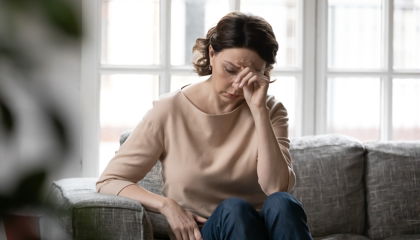
5 Signs of Estrogen Imbalance in Women
Learn the 5 signs of estrogen imbalance in women. Find out key symptoms, possible causes, and when to seek professional help, like Healthflow Naturopathic.